


Knowing the different types of players in a poker game is essential for success. Whether playing online against strangers or at a live tournament, understanding every kind of player can help you adjust your strategy to maximize your chances of winning. Knowing how they play and when they might bluff can give you an edge over the competition.
Additionally, some players may be more aggressive than others, so being aware of this difference can help you decide how to respond appropriately to get the most out of any given hand.
1. Reckless Aggressor
These players take a very aggressive approach to the game. They are more likely to bet and raise than call, and they are willing to make big wagers with no regard for the strength of their hand. This type of player often raises pre-flop or bets post-flop, even when they have nothing good in their hand.
They also tend to be more apt to bluff than other players. They may be successful in short bursts, but this style of play will usually lead to significant losses over the long term. Any serious player needs to recognize an Aggressor Player’s recklessness so they can adjust their strategy accordingly.
Like all aspects of poker, you must know when to identify a player as an Aggressor and when it might be better to stay out of the pot.
2. Tight Passive Player
A player in a poker table who plays fewer hands than most, and they usually fold easily or check the action when they play. Generally speaking, a Tight Passive Player is not aggressive; they prefer to wait until they have a strong hand before betting big. This type of player relies heavily on their tight style and passive play to build a pot size they can win with their stronger hands.
They also tend to be patient players, as building enough chips for a big bet takes time. Ultimately, these players are excellent for low-stakes games because their strategy helps reduce overall variance. However, if you’re playing against them in a higher-stakes match, you must be aware of their tight play and passive approach to adjust your strategies accordingly.
3. Loose Aggressive Player
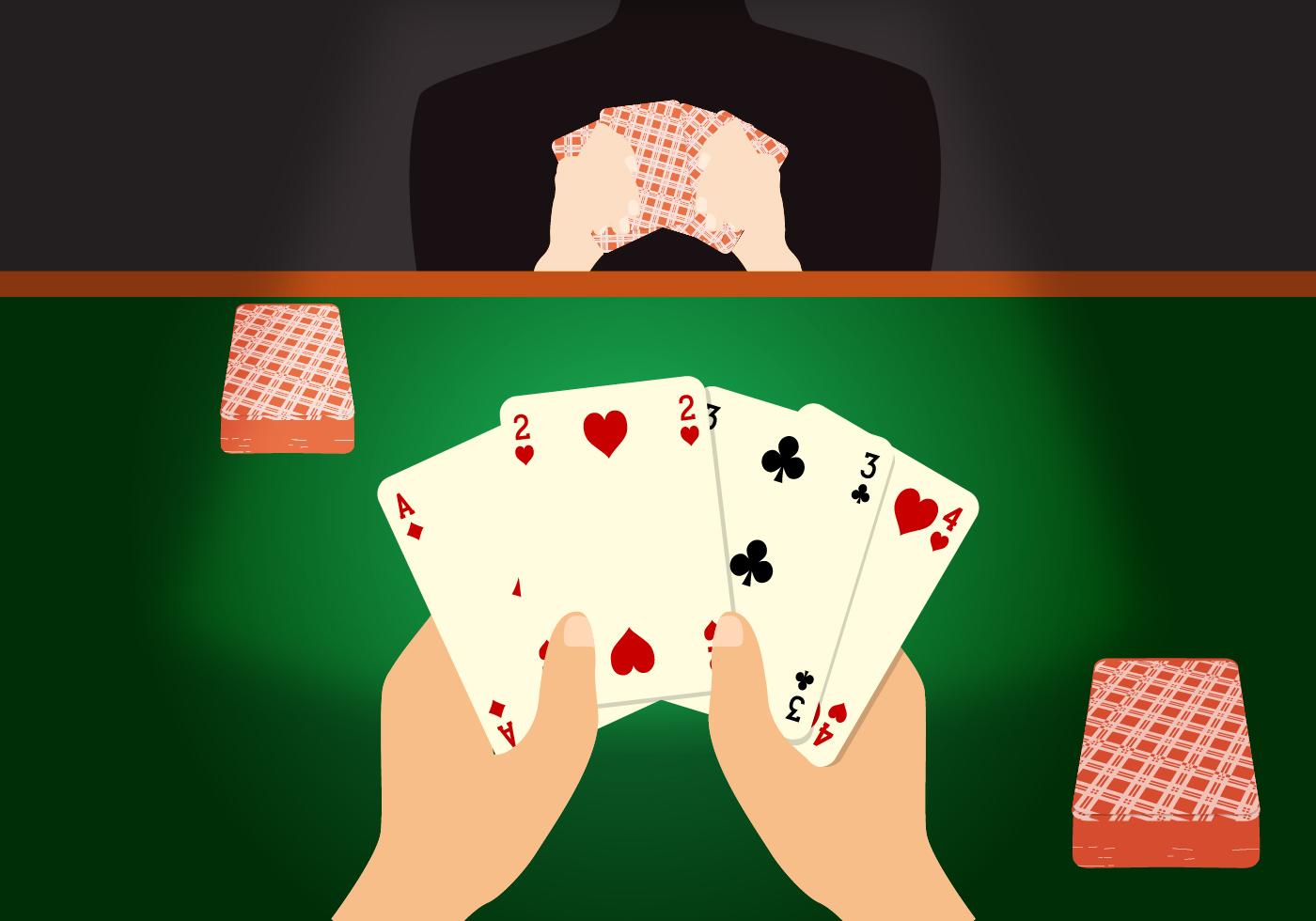
Photo by Vecteezy
This type of player in poker plays more hands than the average player and bets more aggressively when they have a hand. This type of playing style requires a good understanding of when to bet and when to fold since LAG players tend to take more significant risks to win big pots. They also need to be aware of other players’ tendencies to predict better what type of hands their opponents may have.
While this style carries more risk, it can also result in higher rewards if played correctly. Players employing a loose-aggressive strategy are usually fearless in going all-in pre-flop or even post-flop, which sometimes makes them unpredictable. As a result, LAG players can be powerful opponents if they understand how to take advantage of their position in the game. Success as a Loose Aggressive player requires skill and discipline, but it can be gratifying for those who master its intricacies.
4. Calling Station
These players tend to call even with bad odds. Calling station players are often seen as loose-passive players, meaning they tend to stay in their hands longer than they should due to their lack of aggression. They rarely raise pre-flop and instead just call with two poker cards.
This style of play can be exploitable by more experienced opponents who recognize this tendency. Professional players might try to bluff these players out of the pot or value bet them too thin for them to continue with their hands. To combat this, Calling Station players must practice proper bankroll management and adjust their game accordingly when playing against more experienced opponents.
Additionally, it may be necessary for these players to practice more disciplined play, folding more often and raising when appropriate. It will help them stay competitive in the long run. Calling Station Players can become successful poker players with the right strategy and discipline.
5. Tight Aggressive Player
A Tight Aggressive (TAG) player in poker plays fewer hands than their opponents, but when they decide to enter the pot, they do so with a strong hand and an aggressive betting style. It can be successful if done correctly, as it applies pressure on your opponents, allowing you to take down more pots.
However, a TAG player must also be aware of potential traps laid by their opponents and adjust their strategy accordingly. By being selective about which hands they choose to play, a TAG player can always maintain control over the table and maximize their winnings.
The TAG approach is excellent for experienced players to win more poker chips frequently and consistently. With a strong understanding of the game, players can use this strategy to maximize their winnings.
You can become a better player by understanding these different types of players and learning how to adjust your strategy accordingly. Pay attention to your opponents’ betting patterns and use them to inform your decisions at the table to gain an edge against them.
Takeaways
Photo by Unsplash
Overall, understanding the different types of players in a poker game can help individuals create unique strategies tailored to their preferences and playstyles. It will allow them to win rounds and enjoy their time playing the game more successfully.
Ultimately, all players should take advantage of this knowledge to get the most out of their experience with the game. With enough practice and patience, any player can become a master quickly!
Ready to start your poker journey? Join n8 today and be on your way!