

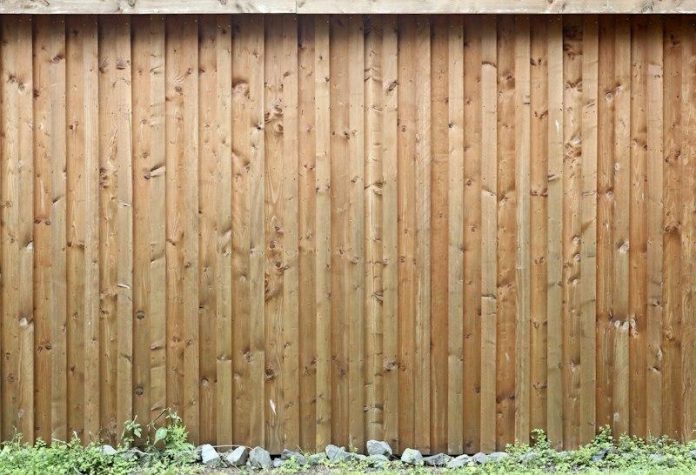
A wood fence does not require constant attention, but it does benefit from a steady rhythm of care that follows the seasons. In the Pacific Northwest, where extended rain, temperature swings, and a heavy moss season put real pressure on outdoor wood, ignoring the fence from one year to the next is the fastest path to early rot and expensive repairs. A simple seasonal routine keeps most wood fences looking sharp and lasting well beyond their expected lifespan.
Spring: Cleaning and Early Inspection
Spring is the best time to assess the damage winter left behind. Walk the full fence line and look for loose boards, wobbly posts, rusty hardware, and any sections where moisture has found a toehold. Moss and mildew that accumulated through the wet months need to come off before they cause lasting harm.
A low-pressure wash with a garden hose and a mild cleaning solution removes most moss, mildew, and grime without damaging the wood fibers. Avoid high-pressure washing; the force can raise the grain and push water deeper into the wood, accelerating the decay you are trying to prevent. After the fence dries—usually a few sunny days—inspect the surface for any areas where stain or sealer has worn thin.
Summer: Sealing, Staining, and Repairs
Summer’s longer dry stretches give wood enough time to cure fully before sealant is applied. This is the ideal window for reapplying stain or wood sealer, replacing damaged boards, resetting a leaning post, or treating any areas where the wood is beginning to gray and dry out.
A quality penetrating stain or oil-based sealer protects the wood from moisture by filling the surface pores rather than forming a film that can peel. Coverage typically lasts two to four years in the Pacific Northwest, with shaded, north-facing fence lines needing attention at the shorter end of that range. Apply on a day when the forecast shows at least 24 hours without rain.
Fall: Hardware Checks and Debris Removal
Fallen leaves pack moisture against the bottom boards and accelerate rot at the base of pickets, which is already the most vulnerable part of a wood fence. Clearing leaf buildup from around and against the fence—both on top of the soil and in any gap between the fence and the ground—reduces the moisture load heading into winter.
Fall is also the right time to check gate hinges, latches, and post caps. Tighten any loose screws before cold weather makes the hardware contract and become more difficult to work with. Post caps prevent water from pooling on top of the post—a common starting point for end-grain rot—so replace any that are cracked or missing.
Winter: Protecting Against Moisture and Freeze Cycles
Bellevue winters are mild by northern standards, but the steady rain and occasional freeze create real stress for wood fencing. Keeping vegetation, compost piles, and stored items away from the fence during the wet months reduces moisture contact and improves airflow.
If a board has cracked or split by mid-winter, a temporary patch of exterior-grade caulk can prevent water from getting into the break until a proper repair is possible in spring. Standing water at post bases is a sign of drainage that is working against the fence; adding a small gravel ring around each base can help direct water away.
Building a New Wood Fence That Starts Strong
Optima Fence & Deck builds cedar and pressure-treated wood fences using installation practices designed for the wet Pacific Northwest climate. Their approach to wood fence installation in Bellevue includes proper post depth, concrete footings, and hardware choices that slow down the decay cycle from day one—giving seasonal maintenance a much stronger foundation to work with.
Frequently Asked Questions
How often should a wood fence be resealed or restained?
Most wood fences in the Pacific Northwest benefit from a fresh coat of stain or sealer every two to four years. Fences in shaded or heavily wooded areas that stay damp longer often need reapplication at the two-year mark, while well-exposed fences in sunny yards may get four years between coats.
Is moss on a fence a serious problem?
Moss itself does not destroy wood overnight, but it traps moisture against the surface and speeds up decay if left in place season after season. Removing it in spring and improving airflow—by trimming overhanging branches and keeping vegetation back—prevents it from building up into a real problem.
Can a wood fence be maintained in place while plants grow on it?
Vines and climbing plants hold constant moisture against the wood and make it nearly impossible to inspect or treat the boards they cover. Over time they accelerate rot significantly. If the aesthetic is important, a metal or vinyl fence is a better host for climbing plants than wood.