

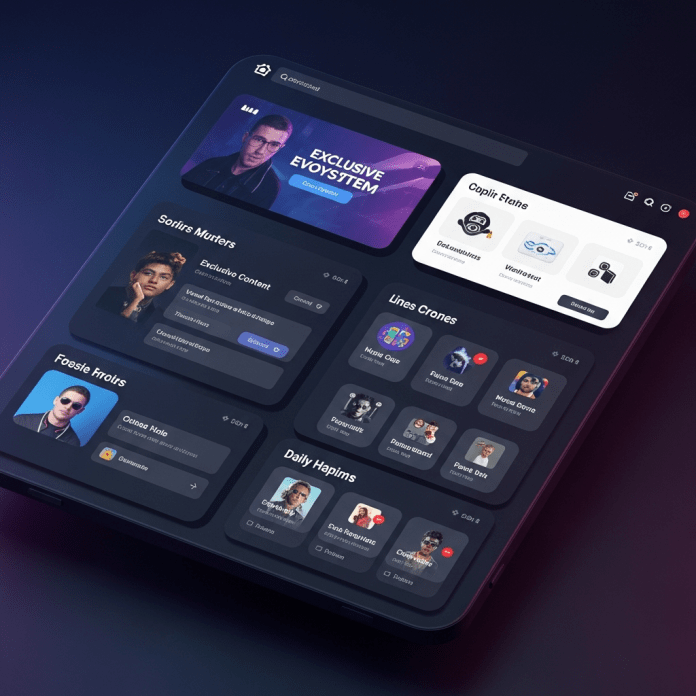
We’ve all been there, standing in a damp queue outside a venue, clutching a crumpled twenty-pound note and hoping the t-shirt we want hasn’t sold out in a medium. For decades, that physical merch table was the primary bridge between an artist and their fans. It was a simple transaction; you give them money, they give you a souvenir, and you go your separate ways until the next tour cycle.
But things have changed quite a bit recently. The world of Direct-to-Fan (D2F) has shifted from being a simple online shop into something much more complex and, frankly, more interesting. It’s no longer just about selling a hoodie or a vinyl record; it’s about creating a digital ecosystem where fans actually want to hang out every single day. If you’re an artist or someone working behind the scenes in the music industry, you’ve probably noticed that the biggest challenge isn’t just getting that first sale. It’s keeping people coming back when there isn’t a new album to promote.
The Evolution of Direct-to-Fan: Moving from store to ecosystem
In the early days of the internet, a D2F strategy usually meant having a basic website with a few PayPal buttons. If you were really ahead of the curve, you might have had a mailing list sign-up form that you checked once every six months. It was a very static experience. You’d visit the site, buy the thing, and leave. There was no real reason to return until the artist tweeted about a new tour.
The modern D2F model is far more ambitious. We’re seeing a shift where the artist’s website is becoming a destination in its own right. Think of it less like a corner shop and more like a members’ club. The goal now is to build an ecosystem that rewards loyalty and encourages daily interaction. This isn’t just about vanity metrics; it’s about survival in an era where social media algorithms make it increasingly difficult to reach your own followers. When you rely on a third-party platform to talk to your fans, you’re essentially renting your audience. By building a robust D2F ecosystem, you’re finally becoming the landlord.
This transition requires a change in mindset. Instead of thinking about “customers,” artists are thinking about “active participants.” When a fan feels like they’re part of a living, breathing community, they’re far more likely to support the artist over the long term. This is why we’re seeing more interactive elements, from exclusive forums to daily challenges, all designed to keep the brand at the front of the fan’s mind.
The Loyalty Loop: Why MusicGlue artists need high Daily Active User counts
If you’ve ever used a platform like MusicGlue to manage your artist’s career, you’ll know that data is the real currency. For a long time, the industry focused on “total reach” or “total followers.” But those numbers can be quite misleading. What actually matters in the current climate is the Daily Active User (DAU) count.
Why is this so important? Well, it all comes down to data ownership and the “Loyalty Loop.” When a fan visits an artist’s microsite every day, they aren’t just looking at pictures. They’re generating data points. You can see what content they engage with, what merch they hover over, and what part of the world they’re in. This level of insight is something you simply can’t get from a streaming platform or a social media site. Those platforms keep that juicy data for themselves, giving the artist only a tiny glimpse of who their audience really is.
By driving fans to a centralise platform daily, artists can build a much more accurate picture of their fanbase. This is vital for planning tours, deciding which merch designs to print, or even choosing which songs to release as singles. High DAU counts also mean that when you do have something to sell, like a limited-edition box set or a pre-order for a new record, you don’t have to spend a fortune on ads to tell people about it. They’re already there, engaged and ready to go. It’s about creating a habit. If checking the artist’s site becomes part of a fan’s morning routine, the battle for attention is already won.
Psychology of the Reward: Adopting mechanics from gaming
So, how do you actually get someone to visit a music website every single day? It’s a big ask, especially when we’re all so busy. This is where we can take a leaf out of the book of the gaming and casino industries. They are the absolute masters of retention, and they do it by understanding the psychology of the reward.
Humans are hardwired to enjoy a bit of a gamble, even when the stakes are purely social or aesthetic. The concept of “Instant Win” mechanics is incredibly powerful. I find that when there’s a chance, however small, of getting something “extra,” people are much more likely to show up. In a music context, this doesn’t have to mean a literal lottery. It could be a daily chance to hear a ten-second snippet of a work-in-progress, a random discount code that expires in an hour, or the opportunity to win a spot on a guest list.
These small, frequent rewards create a sense of anticipation. It’s that little hit of dopamine we get when something goes our way. By incorporating these mechanics into a fan site, artists can turn a mundane task, like checking for updates, into a fun experience. It’s about making the fan feel like they’re “winning” something just for being there. This kind of habituation is what keeps people coming back day after day, month after month.
Practical Implementation: Driving pre-orders and mailing list growth
It’s all well and good talking about the theory, but what does this look like in practice? For many artists, the main goals are still growing the mailing list and securing those all-important pre-orders. Daily interactive incentives are a brilliant way to achieve both.
Imagine a microsite where fans can log in every day to play a simple game or interact with a digital “advent calendar” style interface. To participate, they need to be signed up to the mailing list. Each day they check in, they might get a small reward: a high-res phone wallpaper, a discount on the latest t-shirt, or early access to a new music video.
You could even tie these daily actions to a larger goal. For example, every day a fan logs in, they earn “points” that go towards a leaderboard. The top fans at the end of the month might get a personal shout-out or a signed vinyl. This not only drives daily traffic but also encourages fans to share the site with their friends to help boost their own scores.
When it comes to pre-orders, these daily incentives can be used to build a massive amount of momentum. You could run a “countdown” where each day leading up to the release, fans who have pre-ordered the album get an exclusive piece of content. It creates a “fear of missing out” (FOMO) that is very effective at converting casual listeners into paying supporters. It’s a much more organic way to drive sales than just shouting “Buy my album!” on Instagram every five minutes.
Cross-Industry Mechanics: Learning from the experts
While the music industry is catching on, other sectors have been using these techniques for years to maintain sky-high retention rates. Entertainment platforms, particularly in the gaming world, are the gold standard for this. They understand that low-friction, daily engagement is the key to keeping an audience around.
A great example of this is how free daily spins are used on platforms like Rainbow Riches Casino. By offering a simple, no-cost interaction that resets every twenty-four hours, they give users a clear reason to return to the site. It’s a low-friction way to maintain a habit. For the user, it’s a quick bit of fun with a potential reward; for the platform, it’s a guaranteed daily touchpoint.
This is a proven psychological trigger for audience habituation. Music artists can draw a direct parallel here. Instead of a spin, maybe it’s a “daily demo” or a “virtual scratch card” to unlock a hidden track. The mechanic is the same; you’re providing a small, consistent incentive that requires very little effort from the user but yields high engagement for the creator. It’s about lowering the barrier to entry so much that it becomes harder not to check in.
Please remember to play responsibly. 18+ only. BeGambleAware.org.
Creating a sustainable future for fans
At the end of the day, all these mechanics and data points serve a larger purpose: creating a sustainable career for the artist and a better experience for the fan. When we move beyond the merch table and start building genuine digital ecosystems, everyone wins. The fans get more access, more rewards, and a deeper connection to the music they love. The artists get the data and financial stability they need to keep creating.
It’s a bit of a shift from the way things used to be, but it’s a necessary one. We live in an era where attention is the most valuable commodity on earth. By using daily interactive incentives, artists can stop fighting for scraps of attention on social media and start building their own world where their fans actually want to stay. It’s about making the experience of being a fan just as rewarding as the music itself.
So, next time you’re thinking about how to launch a new project, maybe think beyond the standard “post and pray” method. Look at how you can build a daily reason for your fans to show up. Whether it’s through a simple daily reward or a more complex interactive game, the goal is the same: stay connected, stay relevant, and keep the loop going. After all, a fan who visits you every day is much more than just a customer; they’re the foundation of everything you do.