

Asian drama fans have always been creative with video.
Long before AI tools became popular, fans were already cutting emotional scene edits, matching OST moments with favourite characters, building tribute clips, subtitling interviews and turning small details from a series into shareable posts. A good fan edit can make a two-second glance feel unforgettable. A well-timed music cue can bring back the feeling of an entire episode.
What is changing now is the speed and flexibility of that creative process.
AI video tools are giving fans, creators and social media editors new ways to turn still images, references, music and scene ideas into short video drafts. The goal is not to replace the original shows or the work of filmmakers. It is to help people explore visual ideas around mood, motion and storytelling more quickly.
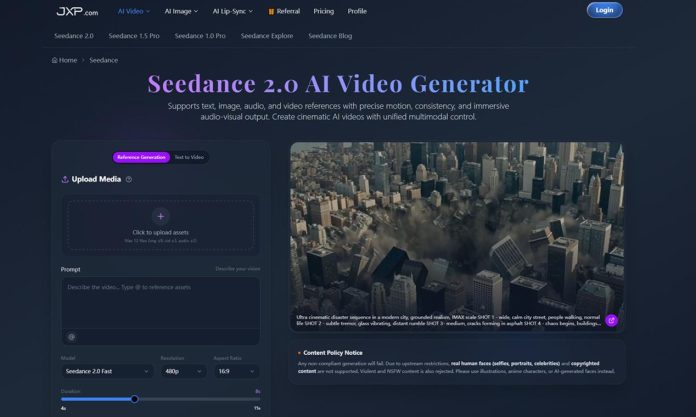
One tool in this space is Seedance 2.0, an AI video generator focused on multimodal video creation. It supports text, image, audio and video references, while offering control over motion, lighting, transitions, rhythm and audio-visual output. For creators who work with drama-inspired content, K-pop edits, character mood videos or short social clips, that kind of reference-based workflow is especially useful.
Why fan video culture keeps growing
Fan communities move fast. When a drama scene becomes popular, viewers do not only talk about it. They remix it, quote it, crop it, subtitle it, turn it into reaction clips and share it across social platforms.
Short-form video has made that culture even stronger. A single scene can inspire hundreds of edits. A song can become attached to a fictional couple. A behind-the-scenes moment can become part of a larger conversation around actors, styling or storytelling.
This kind of creativity depends on speed, but it also depends on emotion. Fans are not just making content because they need something to post. They are trying to capture a feeling: longing, comedy, tension, heartbreak, nostalgia or joy.
That is why AI video tools are interesting for this space. They can help creators explore atmosphere and movement before committing to a full edit.
From screenshots to moving scenes
Many fan projects begin with static material.
A creator may have a favourite screenshot, a poster, a character still, a concept image, a lyric line or an idea for a scene that never appeared in the show. Traditionally, turning that into video required editing skills, animation work or a lot of manual effort.
AI video can help bridge that gap. A still image can become a short motion shot. A written idea can become a visual draft. A reference clip can help guide camera movement or pacing. Audio can influence rhythm and mood.
This is where an AI video generator becomes more than a novelty. It gives fans and creators a way to test a mood quickly. For example, a creator might imagine a rainy street scene, a slow camera push, soft lighting and a soundtrack that feels like the final episode of a romance drama. The result can become a draft for a larger edit or a standalone social clip.
The important part is that the idea becomes visible.
Why references matter more than prompts
Text prompts can be useful, but fan edits usually depend on specific references.
A creator may want the lighting to feel like a late-night confession scene. Another may want the motion to follow the rhythm of a ballad. A K-pop fan may want a clip to feel like a music video teaser. A drama fan may want a short video that captures the atmosphere of a historical romance, school drama or thriller.
Words alone may not carry all of that context.
Seedance 2.0 supports text, image, audio and video references, which makes it easier to guide the output with existing creative material. A reference image can shape the visual style. A video reference can guide motion. Audio can support pacing. The prompt can explain what the creator wants the scene to become.
That combination feels closer to how fans already create. They collect images, clips, music and emotional references, then build something new from that mix.
Short clips need control
A short video may last only a few seconds, but every detail matters.
The camera movement needs to match the mood. The lighting should not fight the scene. The subject should stay consistent. The transition should feel intentional. If audio is involved, the rhythm should make sense.
Seedance 2.0 focuses on precise motion, consistent visuals and audio-video output. It also supports uses such as extending a clip, merging video segments and refining specific parts of a video. These features are useful for creators who do not want to rebuild everything from the beginning each time a draft feels slightly off.
For example, a creator might generate a short clip that has the right atmosphere but the motion is too fast. Another draft might have strong lighting but the transition feels wrong. Targeted refinement can make the workflow less frustrating.
This matters in fan editing because small timing changes can completely alter the emotional impact of a clip.
Where creators can use it first
AI video does not need to be used for complicated projects right away.
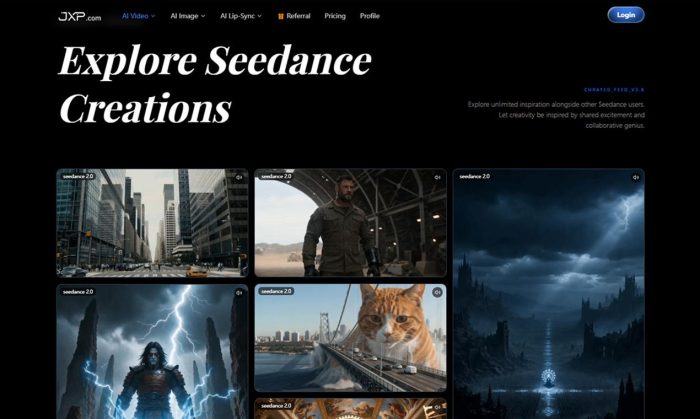
Drama fans can use it to create short mood clips inspired by favourite themes: reunion, betrayal, first love, rivalry or quiet reflection. K-pop fans can use it to experiment with teaser-style visuals for songs, playlists or concept edits. Content creators can make short visual intros for review videos, reaction channels or episode discussions.
It can also help with non-fandom content around entertainment. A blogger reviewing a drama might create a short abstract visual intro. A social media editor might use AI video to build atmospheric clips for recommendation posts. A fan account might test different visual styles before making a full edit.
The best use is often early creative exploration. AI video can help test whether an idea has the right feeling before the creator spends more time editing.
A simple workflow for fan-style AI video
Creators can get better results by working with a clear process:
- Choose the emotion or story moment first.
- Gather approved images, audio or references.
- Decide whether the clip should feel cinematic, playful, dramatic or nostalgic.
- Write a prompt that describes motion, lighting, camera angle and mood.
- Generate a short draft before trying a longer version.
- Review the output for timing, consistency and emotional fit.
- Refine only the parts that need improvement.
This keeps the tool in service of the creative idea. The stronger the direction, the more useful the draft becomes.
Respecting original creators and rights
Fan creativity works best when it respects the original artists, actors, studios and rights holders.
AI video tools should not be used to copy protected scenes, misuse celebrity likenesses or create misleading content. Seedance 2.0 includes a content policy notice explaining that real human faces, copyrighted material, violent content and NSFW content are restricted.
That is important for drama and music fandoms, where real performers and copyrighted material are often part of the conversation. Creators should use approved assets, avoid impersonation and make sure their videos do not confuse viewers about what is official and what is fan-made.
AI can help with atmosphere, concepts and original visual ideas. It should not be used as an excuse to ignore permissions or misrepresent people.
A new creative layer for fandom
The most interesting thing about AI video is not that it makes everything automatic. It is that it adds a new creative layer between imagination and editing.
A fan can picture a scene, test the mood, adjust the motion and see whether the feeling works. A creator can turn a music cue into a short visual experiment. A drama account can make richer visual posts without needing a full production setup.
That is why cinematic AI video is becoming relevant to fan communities and entertainment creators. It helps transform references, emotion and story ideas into moving drafts.
The best fan edits will still come from people with taste, timing and emotional instinct. AI can support the process, but it cannot decide why a scene matters or why a song hits at the perfect moment.
For drama fans, K-pop editors and short-form storytellers, that balance may be the real opportunity: faster tools, but still very human creative choices.