

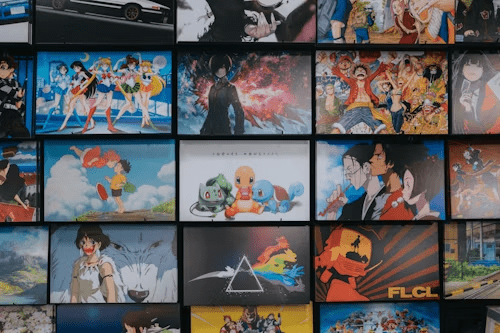
Have you noticed how anime and manga fans now talk more openly about fan-made stories, independent art, and community-led creativity?
That change did not happen by chance. Doujin has become one of the strongest cultural forces behind modern fandom because it gives fans a clear space to create, share, discuss, and support stories outside the usual publishing path.
At its core, doujin refers to self-published creative work, often made by fans or independent creators. It can include comics, art books, novels, music, and other fan-led projects.
In anime and manga culture, it has become especially important because it lets readers see familiar themes, fresh character ideas, and bold storytelling from a creator’s personal point of view.
Doujin Culture
Doujin culture matters because it keeps fandom active between official releases. Fans do not only wait for new episodes, chapters, or announcements. Instead, they create their own ideas, build small circles, and keep conversations alive.
Fan Creativity
One major reason doujin has gained strong influence is its connection to fan creativity. Many readers enjoy seeing how independent creators interpret character relationships, alternate plots, side stories, and emotional moments. This gives fans a richer connection to the stories they already care about.
It also helps new artists test ideas without needing approval from a large publisher. As a result, doujin spaces often feel personal, brave, and honest.
A creator can draw from fan discussions, reader reactions, and their own imagination. That close link between creator and reader is one reason doujin keeps growing.
Reader Connection
Anime and manga fandoms are built on emotion. Fans remember powerful scenes, favorite characters, and meaningful story arcs. Doujin adds another layer to that connection by giving readers more ways to stay close to the content they enjoy.
Personal Storytelling
Unlike mainstream releases, doujin often feels more direct and personal. The creator usually has a clear emotional reason for making the work. That can make the story feel sincere, even when the idea is simple.
This personal touch helps readers feel seen. For example, a fan may want a softer ending, a side character’s viewpoint, or a new take on a familiar theme. Doujin gives space for those ideas.
Because of that, it supports a more active type of fandom where readers are not only viewers but also part of the creative discussion.
Community Growth
Doujin also strengthens anime and manga communities. Fans gather around shared interests, exchange opinions, recommend works, and support independent creators. This helps fandom feel more alive and connected.
Shared Interests
In many fan spaces, people bond over the same characters, genres, or story ideas. Doujin gives those shared interests a practical form. Instead of only posting comments, fans can create full works that reflect what the community enjoys.
Events and online platforms have also made doujin more visible. According to the official Comic Market information page, doujin culture has long been connected with large fan gatherings where creators share self-published works with readers.
This shows that fan-led creation is not a small side activity. It is a serious part of anime and manga culture.
Digital Reading Habits
The internet has changed how fans find and read content. Today, readers can search by genre, character type, theme, update date, or community recommendation.
This has made doujin easier to access and easier to understand for new readers.
Faster Content Discovery
Digital platforms help readers find content that fits their mood quickly. This is important because modern fans often want specific reading experiences. Some want comedy, some want drama, and others want character-focused stories. Doujin supports this need by offering many creative directions.
For readers who want to understand the topic simply, doujin can be seen as part of a larger fan-made reading culture where independent ideas meet anime and manga interests. When explained clearly, it becomes easier for new readers to see why this form of content has earned such strong attention.
Creative Freedom
One of doujin’s biggest strengths is creative freedom. Mainstream manga and anime often follow strict production rules, market goals, and editorial limits. Doujin creators, however, can work with more personal control.
Fresh Ideas
This freedom allows creators to test unusual plots, emotional scenes, side stories, and art styles. Not every idea needs to fit mass-market expectations. That makes doujin an important space for creative risk.
At the same time, this freedom teaches fans to value different kinds of storytelling. A short fan-made comic may not have the polish of a major release, but it can still carry strong feeling, sharp humor, or a smart idea. That balance between raw creativity and reader passion is part of its appeal.
Influence on Fandom Behavior
Doujin has changed how fans act inside anime and manga spaces. Fans now expect more than official content. They look for discussions, fan art, side stories, creator notes, and community feedback.
Active Participation
This shift has made fandom more active. Readers comment, recommend, collect, compare, and sometimes create their own work. In this way, doujin encourages participation instead of passive reading.
It also helps fans understand the effort behind creative work. When readers follow independent creators, they often notice the time, skill, and care involved in drawing panels, writing dialogue, and planning story flow. This can build more respect for artists across the wider manga and anime community.
Global Fan Interest
Doujin began strongly in Japanese fan culture, but its influence now reaches many international anime and manga fans.
Readers from different countries are learning the terms, formats, and community habits connected with self-published fan work.
Cultural Exchange
This global interest creates cultural exchange. Fans learn about Japanese creative circles, event culture, art styles, and fan practices. The Google Arts & Culture page on dōjinshi and Comic Market explains how Comic Market began in 1975 through people who wanted a new space for self-published works.
That history matters because it shows how fan-led creativity can grow from a small idea into a major cultural movement. It also helps modern readers understand that doujin is not just about content. It is also about community effort, artistic passion, and shared respect for storytelling.
Reader Awareness
As doujin becomes more visible, readers also need better awareness. Not every work is made for the same audience, and not every category suits every reader. Clear labels, age guidance, and respectful browsing habits are important.
Responsible Reading
A responsible reader checks content type, creator notes, and platform rules before reading. This helps keep the experience safe, respectful, and suitable. It also supports creators because readers learn to value original effort and community standards.
The National Diet Library notes its role in preserving publications and cultural materials. That broader idea of preservation reminds us why creative work matters. Fan-made culture can reflect what people care about in a specific time, and doujin is part of that record of reader passion.
Final Thoughts
Doujin’s influence on anime and manga fandoms is strong because it solves a real reader need: fans want more ways to connect with the stories they love. It gives creators freedom, gives readers variety, and gives communities a reason to stay active.