

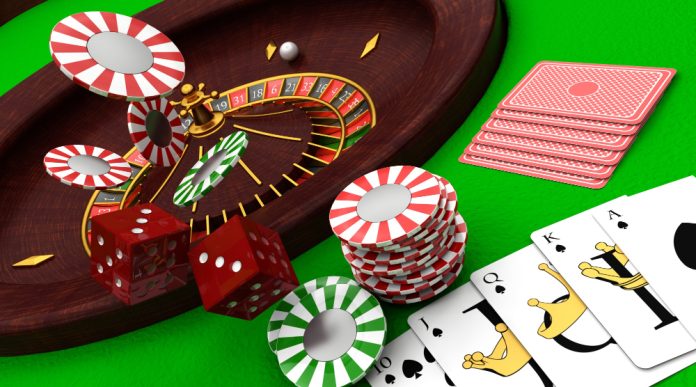
The table games are world-wide recognizable, but the terminology of their presentation differs from region to region. The directors decide what information to reveal to the audience and what to leave obscure: the rules, the rituals, the stakes, and the social stratification of the table. In some markets, the card table is presented as a luxurious stage, with wide shots and gentle lighting, and dialogue that flatters the audience into thinking they are smart.
James Bond And The Western Fantasy Of Poker As Psychological Warfare
Bond’s casino sequences are built to sell composure under pressure. In Casino Royale (2006), the plot pivots on a high-stakes Texas Hold’Em tournament at the Casino Royale in Montenegro, staged as a geopolitical chess match where the MI6 believe winning can squeeze Le Chiffre. The presentation is premium: tuxedos, stacked chips, and etiquette that hides hostility. The camera lingers on micro-expressions and timing, who hesitates, who stares too long, who reaches for chips early.
That’s a common Western framing device: focus less on mechanics and more on personality. Poker is portrayed as a meritocracy of nerve and intellect, with the table acting as a social sorting machine. It’s also a fantasy of controlled risk: the environment feels safe, contained and curated. The best online poker sites offer a similar experience in the sense that they replicate the structured pace, the clear stakes, and the theatre of decision-making that films like Bond have taught audiences to expect.
Bond media also adapts table games to match eras. Earlier films often used baccarat, particularly chemin de fer, to signal old-world European sophistication rather than modern card-room bravado.
Tazza And Korea’s Street-Level, High-Consequence Gambling Lens
Korean gambling stories frequently pull the action away from legal casinos and into the underground economy. Tazza: The High Rollers (2006) follows hustlers and card sharks moving through underground rooms, anchored by hwatu (flower cards), a distinctly Korean game. Here, the table isn’t a showroom; it’s a workplace and a battleground. The drama invited you to watch technique, sleight of hand, signalling, reading opponents, because skill is often inseparable from deception.
The tone is different, too. Where Bond implies that mastery brings control, Tazza implies that mastery attracts danger. Stakes are measured in other things, not just money. Even when the viewer can’t follow every rule, the emotions are clear: temptation and the fear of being outplayed by someone with fewer scruples.
What Global Differences Reveal
A comparison between Bond and Tazza reveals how the media employs table games as a form of cultural shorthand. Western thrillers tend to cloak poker or baccarat in the notion of aspiration: exclusivity, etiquette, and the notion that the best deserve to win. Korean crime dramas tend to be more focused on survival, with gambling as part of that equation.
Broadcast TV often simplifies rules through subtitles or voiceover, while cinema relies on visuals. Some regions downplay gambling brands or cash to meet standards, using tokens or euphemisms.
Conclusion
Table games travel easily, but their on-screen meanings don’t. Bond turns poker into elegant mind games with international consequences; Tazza turns hwatu into a gritty contest where technique, deception and risk collide. Watch closely, and you’ll see the real story isn’t the cards, it’s what each culture believes the table does to people.