

Being on a diet for weight loss doesn’t mean you have to cut all your favourite foods. A better approach is to maintain a calorie deficit that is small enough to support gradual fat loss while still giving your body the energy and nutrients it needs, and it can include your favourite foods.
In many cases, it may require you to eat less than usual, which can trigger hunger pangs. Don’t worry, we’ve got tips on how to eat adequately and still support weight loss.
How to Create a Calorie Deficit Without Starving
For starters, begin with small changes to your usual meals. Instead of skipping big meals, look for ways to reduce unnecessary calories.
What you can cut are sugary drinks, frequent desserts, oversized portions, fried snacks, and excessive sauces or cooking oils, because they contain a surprising number of calories without making you feel particularly satisfied.
Focus on making your meals more filling by adding more fibre in your diet through vegetables, fruits, whole grains, and protein-rich foods. For breakfast, muesli with milk or yoghurt, fruit, and a few nuts can make a simple and satisfying option for an energised morning till lunch.
Get More Protein
Protein deserves special attention during weight loss. Eating enough protein can help you maintain muscle while losing body fat and may also help you feel satisfied after meals. One gram of protein contains the same calories as one gram of carbs, but protein is comparatively more filling.
If you exercise regularly, combining adequate protein with strength training can be particularly useful for supporting muscle maintenance during a calorie deficit.
Depending on your diet, useful sources include paneer, tofu, eggs, Greek yoghurt, lentils, beans, fish, chicken, fruit and nut muesli and other protein-rich foods.
Increase Your Daily Activity
Exercise can complement a calorie deficit, but you do not have to spend hours at the gym.
Walking more, taking the stairs, cycling, playing a sport, or simply taking regular breaks from sitting can increase your daily movement. Strength training can also help preserve muscle while you work towards losing excess body fat.
Track Your Progress Patiently
Your weight can change from day to day because of water retention, digestion, food intake, and other factors. Therefore, one morning’s number does not tell you whether your plan is working.
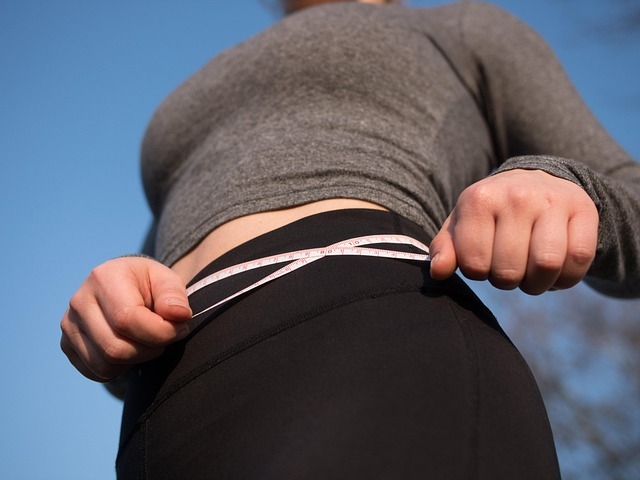
Look at your weight trend over several weeks and consider other signs such as waist measurements, how your clothes fit, workout performance, and energy levels.
If you constantly feel weak, extremely hungry, or exhausted, your calorie intake may be too low.
To Sum Up
A healthy calorie deficit is about creating a manageable gap between the calories you eat and the calories your body uses. Focus on balanced meals, adequate protein, nutrient-rich carbohydrates, regular movement, and consistency. Sustainable weight loss comes from habits you can realistically maintain, not from eating as little as possible.