

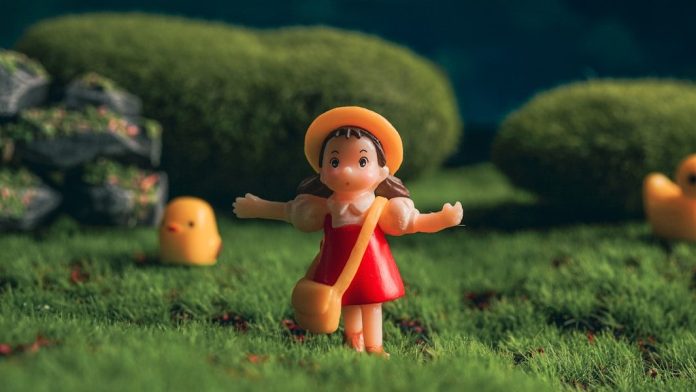
Kawaii means “cute,” a Japanese term that encapsulates a significant part of Japanese culture. That’s the translation. But the translation is useless on its own, the same way “umami” doesn’t really tell you anything until you taste it.
What kawaii actually describes is a feeling. Specifically, the feeling you get when you see something small and soft and helpless and you want to scoop it up and protect it. Babies trigger it. Puppies trigger it. A little cartoon cat with no mouth and a red bow triggers it, reminiscent of characters from manga and anime. The Japanese noticed this response, named it, and then spent about fifty years building an entire aesthetic around manufacturing it on demand. It’s why shops like Cute Stuff Club exist today, entire storefronts built around nothing but that feeling, organized by aesthetic so you can find the version of it that matches you specifically.
That’s kawaii. And once you see how deliberate it is, you can’t unsee it.
Where Kawaii came from
The origin story is weirder than you’d expect. In the 1970s, Japanese teenage girls started writing in this round, loopy, childlike script — decorating their letters with tiny drawings, mixing in hearts and stars. Teachers hated it. Schools tried to ban it. The handwriting spread anyway, because of course it did, echoing the melody of trends in pop culture.
Nobody planned for this to become a cultural movement, yet it draws heavily from the motifs seen in Pokémon. But something was clearly happening: a generation of young women was reaching for softness and innocence as an aesthetic, specifically within the kawaii culture, and rejecting the clean, formal, adult styles expected of them. Make of that what you will.
Then in 1974, Sanrio introduced Hello Kitty, which became a symbol of kawaii in Japan. Small, white, round, no mouth. She couldn’t really express anything, which meant you could project anything onto her, much like the characters in kawaii culture. That blankness was the whole trick. People went nuts for her, and the kawaii aesthetic had its first mascot.
What it looks like
Pastel colors, almost always. Pinks and blues that feel soft rather than bright. Round shapes everywhere — faces, bodies, objects. Eyes that are too large for the face. Small mouths or no mouths at all, a common feature in the aesthetic of manga and anime. Bows, lace, ruffles.
The visual logic isn’t accidental; it often reflects the influence of pop culture. These are the physical features that trigger caregiving instincts in humans: big eyes, round head, small body, often seen in the concept of kawaii, which influences both fashion and pop culture. Babies have them. Puppies have them. Kawaii characters are essentially optimized to hit that same button, deliberately and repeatedly.
Decora fashion takes this concept of kawaii to its logical extreme. Practitioners layer so many accessories — clips, charms, stuffed animals, fake flowers, bracelets — that you genuinely can’t tell where the person ends and the outfit begins. It’s maximalist in a way that somehow reads as joyful rather than chaotic.
Kawaii in anime, fashion, and music
Anime and manga were probably the first place most people outside Japan encountered the concept of kawaii without knowing that’s what they were looking at. Pikachu is the obvious example: round, yellow, large eyes, small features, makes a sound that’s just its own name. The design is almost mathematically cute. The same template shows up across thousands of characters in Japanese popular culture.
In fashion, Harajuku in Tokyo is ground zero. The street style there is hard to describe without photos — pastel layers, platform shoes worn six inches off the ground, stuffed animals attached to backpacks, and cartoon prints, all reflecting elements of kawaii culture. It looks like chaos and somehow works. Outside of Harajuku, kawaii bleeds into everyday Japanese fashion constantly: a ruffle on an otherwise plain blouse, a cartoon keychain on a work bag. Small doses.
Music is its own thing. J-pop groups weaponize kawaii in a very deliberate way — high-pitched vocals, pastel outfits, choreography full of small cute gestures that resonate with the motifs of vulnerability. The goal is to feel light. Whether that lands for you or makes you want to turn it off probably depends entirely on your mood and your connection to the sweet elements of pop culture.
Why it spread everywhere
Hello Kitty is sold in over 130 countries. That’s not a side note — that’s the whole point. Cuteness, it turns out, travels and is a key aspect of kawaii in Japan, often embraced by Japanese girls. You don’t need cultural fluency to register something as soft and appealing. The visual triggers are pretty universal, which is why kawaii aesthetics kept showing up in product design, fashion, and marketing all over the world without much translation needed.
What gets messy is when the context strips away. In Japan, kawaii sits inside a very specific social history — the teenage girls who started it, the tension between softness and the demands of adult life, the way it functions as a kind of permission to be unserious. When kawaii gets absorbed into, say, a Western mall store’s packaging design, much of the original kawaii in Japan is lost. It becomes just “cute,” a common motif in the world of kawaii. Which is fine, but it’s a different thing.
Two things people keep getting wrong
First: kawaii is not for children. It never really was a simple concept; it embodies a deeper influence from pop culture. The girls who started the handwriting trend in the 70s were teenagers, not kids. Adults in Japan collect kawaii merchandise, wear kawaii fashion, and follow kawaii artists as part of a vibrant kawaii culture — and they’ve done this for decades. For a lot of people, the appeal is precisely that it carves out a space where you’re allowed to be unserious. That’s not childish; it’s a reflection of the deeper layers of kawaii culture. That’s a coping strategy.
Second: cuteness doesn’t mean the same thing everywhere, especially when considering the sweet aesthetics of lolita fashion. What reads as charming and soft in Japan can read as saccharine or weirdly babyish somewhere else. Neither reaction is wrong; they both reflect different aspects of vulnerability in pop culture. But it’s worth understanding where kawaii actually came from before deciding how you feel about it — because the context, influenced by manga and anime, changes it.