

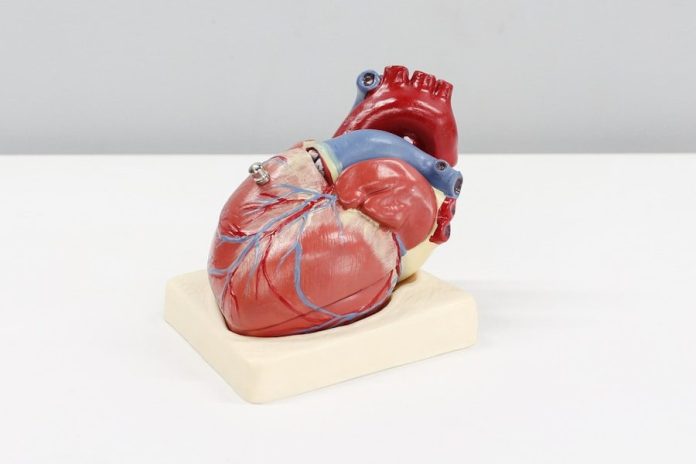
The heart always gives clear warnings well before it suffers any major problems, such as chest pain, shortness of breath, unexplained fatigue, and palpitations. These can either occur gradually or instantly, depending on the problem at hand. Other signs include dizziness, swollen legs or ankles, and pain that radiates from the heart to the arm, jaw, or even the back.
A number of people also observe a reduction in their ability to exercise over time, discovering that activities which they were once able to carry out without difficulty now cause them to breathe heavily or feel unusually tired.
Why Recognizing Heart Symptoms Early Is Important
However, most cases of heart disease develop without any noticeable symptoms. Should the patient observe the first symptoms, the distinction between a manageable disease and a deadly one is likely to become apparent. This is due to the fact that detecting the disease in its early stages will allow for treatment and prevent any permanent damage to the heart muscles. However, by ignoring these symptoms, the risk of heart failure, arrhythmia, or a cardiac event becomes greater and, hence, early treatment will be necessary since it is easier and less harmful. All you will have to do is change your lifestyle habits and take medication without undergoing any surgery.
Common Warning Signs Your Heart Needs Medical Attention
Continuous chest tightness or a sensation of pressure, shortness of breath when carrying out ordinary activities, and a heart that beats rapidly or irregularly are all of the most common warning signs that should not be ignored. Other symptoms include fatigue without an apparent cause, cold sweating, or swelling of your legs or stomach due to an insufficient blood supply to your body. Persistent coughing could be an indication of excess fluid accumulation in your body caused by a malfunctioning heart. You should not take lightly the fact that you wake up from sleep struggling to breathe.
Heart Attack Symptoms That Require Immediate Emergency Care
A heart attack is always accompanied by severe pain or a sensation of pressure in the chest area lasting for more than several minutes and spreading to one’s arms, neck, jaw, or back. Shortness of breath, cold sweats, nausea, and dizziness may be present in addition to the mentioned pain.
It is possible for women to experience some unusual symptoms such as extreme exhaustion, discomfort resembling indigestion, or back pain. The occurrence of any of these symptoms requires immediate medical assistance from the emergency services without waiting for any improvement.
Every minute is very important when there is a heart attack because early treatment can minimize the damage to heart muscles; therefore, calling for emergency help right away is much better than driving to the hospital by yourself.
Who Is at Higher Risk of Heart Disease?
People who have high blood pressure, high cholesterol, diabetes, or a family history of heart disease are at far higher risk of heart disease. Over time, risk rises further if smoking, obesity, or a sedentary lifestyle are present.
Age is also a factor, the risk rising for men aged 45 and over and for women aged 55 and over, especially when chronic stress is present or when their existing health conditions are not well managed.
Individuals who have previously suffered from kidney disease or autoimmune disorders might also have an increased risk of cardiovascular problems, a risk which is at times ignored during regular screenings.
When Should You See a Cardiologist?
If you feel chest pains, have trouble breathing, have heart palpitations, or have fainting spells, you must talk to a cardiologist. It does not matter whether these symptoms occur often or seem to go away on their own. If you see the best cardiologist in Bangalore and have tests like an ECG and a stress test, your doctor can detect heart disorders early. Finding heart disorders early helps you plan the treatment.
It becomes particularly important after reaching the age of 40 years or even before in case of heart problems in the family, irrespective of the presence of symptoms.
How to Protect Your Heart
To protect your heart health in the long term, it is necessary to keep your diet balanced by reducing your intake of saturated fat and salt, to exercise regularly, and to avoid using tobacco. All of these measures (managing stress, regularly monitoring blood pressure and cholesterol, and arranging periodic check-ups) at a well-known heart hospital in Bangalore help with the early detection and prevention of serious cardiac events.
Adequate sleep and staying at a healthy weight also contribute to good long-term heart health and help reduce the amount of strain the heart has to endure over time, together with regular check-ups with your care team.