

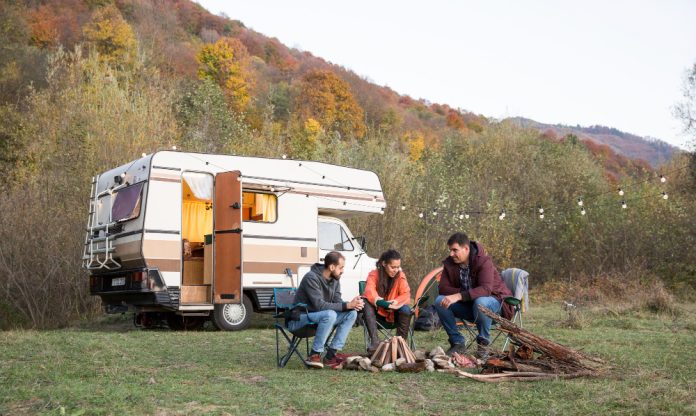
For years, the default approach to travel looked something like this: work hard, book a week away, squeeze in as much as possible, then return home and recover from the “relaxing” trip. That pattern is starting to fray.
Across the UK (and beyond), more people are treating travel less like a once-or-twice-a-year event and more like a lifestyle layer—something you can dip into on a random Friday evening, or build into everyday life. Campervan ownership sits right at the centre of that shift. It’s not just about seeing more places. It’s about changing the shape of time off.
The shift from “big holiday” to micro-adventures
A campervan turns travel into something modular. Instead of waiting for the perfect week, you can take what you have—an overnight, a long weekend, a midweek escape—and still get the feeling of going somewhere.
Flexibility is the new luxury
Ask anyone who’s wrestled with school holiday pricing, airport queues, and rigid check-in times: the old model is efficient for the travel industry, not necessarily for the traveller. A campervan flips that dynamic.
With a van, flexibility becomes practical:
- Leave when the weather improves rather than guessing months in advance
- Change plans mid-trip without losing money on bookings
- Stop earlier when you’re tired, push on when you’re not
That’s a different kind of “luxury”—not in the premium sense, but in the sense of being in control again.
Familiar comforts, fewer compromises
Traditional holidays often involve a trade-off: comfort versus cost, spontaneity versus planning, location versus convenience. A well-designed campervan reduces those trade-offs. Your bed is your bed. Your kitchen is always stocked the way you like it. Even small routines—morning coffee, a familiar pillow—matter more than people expect, especially on short breaks.
The new economics of time off
Money isn’t the only driver, but it’s impossible to ignore. Travel costs have become more volatile. Flights fluctuate wildly, accommodation pricing can feel opaque, and “cheap trips” often end up being expensive once you add baggage, transfers, meals, and last-minute extras.
Campervan ownership appeals to people who are tired of paying repeatedly for the same basic components of a holiday: somewhere to sleep, somewhere to eat, and a way to get around.
From recurring spend to reusable asset
A campervan is not a cheap purchase, and anyone pretending otherwise isn’t being honest. But it is a different kind of spending—one that can be used again and again, sometimes for years, across dozens of trips.
The key psychological shift is this: instead of budgeting for one holiday, you’re budgeting for a platform that enables many. Even if you still take the occasional flight-based trip, the van can absorb a lot of the “in-between” travel that used to require hotels and restaurants.
Around this point, many buyers start researching how vans are built and what separates a weekend-ready setup from something genuinely comfortable. Looking at real-world examples of Transit-based mobile living conversion builds can help clarify what layouts, storage solutions, and electrical systems actually look like in practice—beyond the glossy ideal.
The value of “low-friction” breaks
There’s also a time economy at play. When you can throw a bag into the van, pick up some food, and be parked up somewhere scenic in a few hours, short breaks become far more likely. You stop needing a special occasion.
If you take five or six mini-trips a year instead of one longer holiday, the cost-per-night calculation starts to look very different—especially for couples or families who would otherwise need multiple hotel rooms.
Ownership changes how you travel
Campervans don’t just change where you go. They change how you behave on the road.
Slower travel, deeper experiences
There’s a subtle shift that happens when you’re not racing to “get your money’s worth” from a hotel booking or a pre-paid itinerary. People linger. They take the long coastal route. They stop at small towns they’d normally bypass. And because you’re travelling with your own base, you can follow curiosity without worrying about logistics.
That often leads to better travel stories—not because the trip is more exotic, but because it’s more personal.
A different relationship with the outdoors
It’s no surprise campervans have risen alongside broader interest in hiking, paddleboarding, wild swimming, and simply being outside more. A van makes those hobbies easier to build into real life. You can chase a sunrise without needing a 5 a.m. hotel checkout. You can dry gear, cook something warm, and sleep well afterward.
Importantly, this isn’t only about rugged adventure. Plenty of owners use their vans for quiet, comfortable escapes: reading by a lake, cooking a decent meal, watching the weather roll in.
Practical considerations before you buy
Romance aside, campervan ownership rewards people who think ahead. The happiest owners aren’t the ones who bought the biggest van or the fanciest finish; they’re the ones who bought something that matches their actual habits.
What to decide early
Here are a few choices that matter more than most first-time buyers expect:
- Usage pattern: Will you mostly do campsites, or do you want off-grid capability (solar, larger leisure batteries, more water)?
- Layout priorities: Fixed bed versus convertible seating; indoor shower versus more living space.
- Parking and daily drivability: A van that’s great on a campsite can be a headache in a city or supermarket car park.
- Running costs: Insurance, servicing, tyres, and fuel are ongoing realities—budget honestly.
- Storage: If you don’t have a driveway, where will it live, and what will that cost?
If you align the van to your real constraints—time, storage, budget, and comfort needs—it’s far more likely to become a regular part of life rather than an occasional indulgence.
What this trend says about travel culture
At a broader level, replacing holidays with campervan ownership reflects something deeper than travel preferences. Many people are looking for experiences that feel less performative and more restorative. The appeal is not just the destination; it’s the autonomy.
A campervan can’t guarantee tranquillity. Campsites get busy, weather turns, and plans change. But it offers something many modern holidays have lost: the ability to move at your own pace and build a trip around your needs rather than an industry’s timetable.
And that’s why this trend is likely to stick. When travel becomes easier to access, more personal, and less dependent on perfect planning, people don’t just travel differently—they live differently too.