

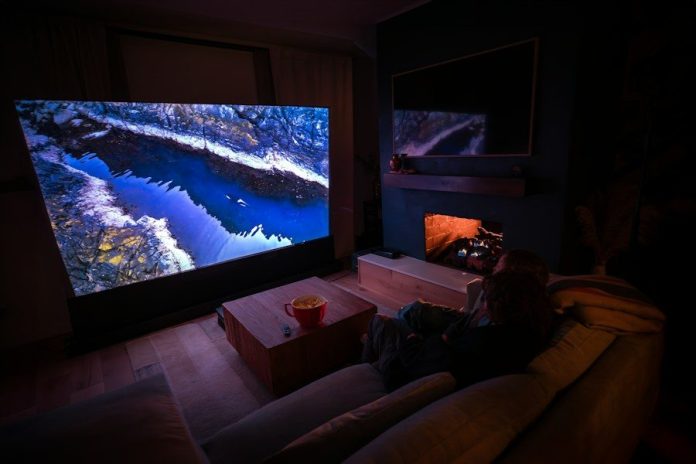
There is a moment every drama fan knows. You have finally reached the episode everyone has been talking about. The snacks are ready, your phone is on silent, and the opening scene is about to begin. Then the television goes dark.
Maybe the plug has come loose behind the cabinet. Maybe too many devices share one outlet. Or perhaps the room is simply so uncomfortable that you keep getting up to adjust the lights and move the furniture.
A memorable viewing experience is about more than finding a great series. The room itself plays a role. And while people spend plenty of time comparing screens and soundbars, they rarely think about the electrical setup until something goes wrong.
The Living Room Was Not Built for This Many Devices
A television used to be one appliance plugged into a wall. Today, the same corner might hold a smart TV, a streaming box, gaming console, speaker system, router, charging dock, and several other devices.
Each addition seems harmless on its own. The trouble starts when the only convenient outlet sits behind a heavy piece of furniture. Soon there are tangled cables, multiple adapters, and power strips hidden under the cabinet.
This is not merely an appearance issue. Electrical equipment needs suitable power connections, and cords should not be trapped, damaged, or covered in ways that allow heat to build up. A neat-looking entertainment center is not automatically a safe one.
Before buying another gadget, take inventory of what is already connected. You may discover that the best upgrade has nothing to do with the screen.
Plan the Power Before You Mount the Screen
Wall-mounted televisions make a room feel cleaner, but installation involves more than choosing the correct bracket.
Think about where the outlet sits, where cables will travel, and whether the television can be removed for servicing. Running ordinary power cords through a wall is not a safe substitute for properly installed wiring.
If the room needs additional outlets or a new circuit, involve a qualified professional. In Northern California, for example, a homeowner considering a media-room upgrade might consult a sacramento electrician to evaluate existing wiring, outlet placement, and electrical capacity.
The aim is simple: give every device a suitable connection without making people crawl behind furniture every time something needs resetting.
Lighting Should Follow the Story
Watch a suspenseful scene under harsh ceiling lights and half the atmosphere disappears. Turn every light off, however, and moving around the room becomes inconvenient.
The answer usually lies somewhere between those extremes.
A small lamp behind or beside the viewing area can make the room comfortable without drawing attention away from the screen. Adjustable lighting is helpful when people use the same room for reading, homework, conversation, and entertainment.
Screen glare is another concern. A bright window opposite the television can wash out details during daytime viewing. Curtains or blinds may solve that problem more effectively than replacing the television with a more expensive model.
Before buying fixtures, try the room at different times of day. You may find that one carefully positioned light does more than several decorative lamps.
Sound Is Part of the Room, Not Just the Speakers
A bigger soundbar will not fix every audio problem. Hard floors, bare walls, and large windows can make dialogue difficult to understand, especially in shows where quiet conversations matter.
Soft furnishings can make a difference. Rugs, curtains, upholstered seating, and bookshelves may reduce some of the harsh reflections that make a space sound echoey.
Speaker placement matters as well. A powerful speaker hidden inside a cabinet may deliver disappointing results. Test the setup from the seats people actually use rather than from the middle of the room.
For viewers who follow subtitled dramas, clear dialogue and readable text are often more valuable than dramatic volume.
The Best Seat Is Not Always the Largest Sofa
People tend to choose entertainment-room furniture by appearance. Yet a beautiful sofa does not help if everyone has to twist their neck to watch.
Sit in the room before changing anything. Can people see the screen comfortably? Is it mounted too high? Does afternoon sunlight hit the display? Can someone walk through without stepping over cables?
Small adjustments may make the room easier to use. Moving a chair, shifting the television slightly, or choosing a narrower coffee table can open up the space without a major renovation.
Consider how many people normally watch together. A couple who enjoy quiet evening episodes need something different from a household that hosts weekly movie nights.
Do Not Overlook the Internet Connection
Even a carefully designed room feels frustrating when an episode buffers at the best moment.
Before blaming the streaming service, check the connection. A router tucked behind thick walls or surrounded by electronics may not provide reliable coverage everywhere in the house.
Test streaming performance in the actual viewing spot. Depending on the setup, moving the router, improving Wi-Fi coverage, or using an appropriate wired connection could help.
Keep equipment ventilated and accessible. Routers, consoles, and streaming devices can produce heat, and tightly packed cabinets may make maintenance harder.
A little planning now can prevent the familiar ritual of restarting everything in the middle of a season finale.
Make the Space Useful Between Episodes
Not every home has a spare room for a dedicated theater. Most people watch in a living room that also serves as a place to work, read, talk, or spend time with family.
That is not a drawback. It simply means the design should be flexible.
Choose storage that hides accessories but keeps them easy to reach. Leave enough surface space for drinks without crowding the room. Consider a light that works for reading as well as watching television.
If you are gathering home layout ideas, focus on examples that fit your room’s dimensions and existing furniture. Copying a dramatic entertainment setup from a photograph rarely works when the everyday needs of the household are different.
Enjoy the Show, Not the Troubleshooting
A great drama can pull viewers into another world, whether it is a tense mystery, a family story, or a romance that keeps everyone watching past midnight.
Your home setup should help that happen, not interrupt it.
You do not need the biggest screen or the most expensive sound system. You need dependable electrical connections, sensible lighting, comfortable seating, clear sound, and a reliable internet connection.
Start by fixing what regularly annoys you. Then improve one thing at a time. For further home design inspiration, exploring practical interior ideas can help you decide what belongs in the room and what only adds clutter.
The best entertainment space is the one you forget about once the episode starts.