

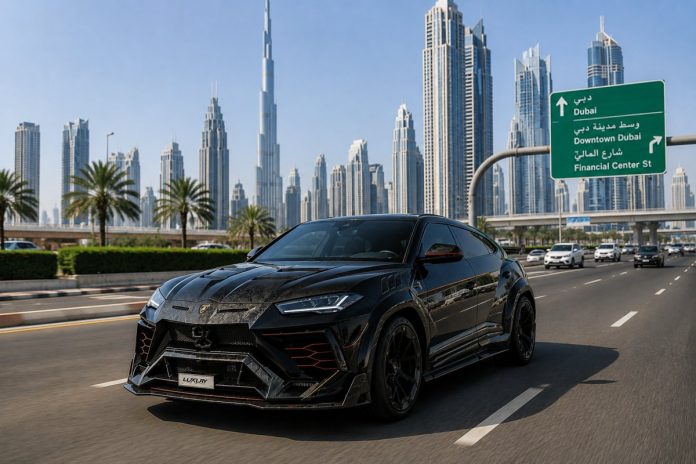
A first trip to Dubai raises the same question for almost everyone: taxis and the metro, or a car of your own? For many visitors, the answer is a modest saloon that makes airport runs and mall trips easy. For others it is a single memorable day, such as a booking to rent Lamborghini Urus in Dubai and drive the Downtown and Marina route at their own pace. Either way, the basics are the same, and knowing them before landing saves a lot of stress at the rental desk and on the road.
Do You Actually Need a Car in Dubai?
Not always. The metro runs along the main corridor through Dubai Marina, Downtown and the airport terminals, and taxis are plentiful and metered. If your plans stay inside one or two neighbourhoods, public transport is cheaper and simpler.
A car starts to make sense when the plans spread out. Hotels in Palm Jumeirah or Jumeirah can be a long way from the metro, family trips with luggage are easier door to door, and day trips to Abu Dhabi, Hatta or Ras Al Khaimah are far more flexible with your own vehicle. The Roads and Transport Authority (RTA) publishes current information on public transport and taxis, which is worth checking before you decide.
Documents and Paperwork Before You Land
Most rental companies ask for the same short list. You will need your passport, a valid driving licence and a credit card for the security deposit. Whether an International Driving Permit is required depends on the country that issued your licence, so check the rental company’s current rules and the UAE government’s guidance before you travel instead of relying on a forum post.
Age rules are worth noting too. Many companies set a minimum age of 21 for standard vehicles and a higher age for premium and performance cars, along with a longer licence holding period. If anyone in your group wants to share the driving, ask whether additional drivers need to be registered.
Choosing the Right Car for Your Trip
The best vehicle depends on who is travelling, how much luggage there is and what the route looks like. A compact car is easy to park at busy malls. A mid size SUV suits families. A larger performance SUV suits friends travelling together who want comfort over longer distances, with room for bags and camera gear.
If you want something beyond the standard rental range, a specialist fleet is usually the better route than an airport desk. A Luxury Car Rental Dubai company will normally explain the deposit, mileage allowance and insurance excess on each vehicle page, which makes it easier to compare terms before you commit. Read those details carefully, because they often differ more between vehicle categories than the daily rate does.
Roads, Tolls and Parking
Dubai’s main roads are wide, well signed and generally in very good condition. Sheikh Zayed Road is the busiest, and it helps to leave early or avoid the evening rush when the workday ends.
How Salik Tolls Work
Dubai uses an automatic toll system called Salik. Overhead gates charge as you pass, with no stopping and no cash. Rental companies usually either add the charges to your final bill or include a prepaid allowance, so ask which one applies before you drive away.
Parking in Busy Areas
Most malls and hotels offer parking, often free for a limited period. Paid street parking exists in busier districts and is usually managed through signs, machines or phone apps. Read the signs before you leave the car, since fines are easy to avoid and annoying to pay.
Rules Worth Knowing Before You Drive
Speed limits are clearly posted and enforced by cameras, so treat the limit as the limit. Seat belts are required, and using a handheld phone while driving is not allowed. The UAE has a zero tolerance approach to drinking and driving, which means no alcohol at all before taking the wheel.
It also helps to photograph the car before you leave the rental lot. A short walk around video of any existing marks protects both you and the company if there is a disagreement in return.
Making Your First Drive Easy
Start with a short, simple route on your first day, such as a hotel to a nearby mall, before attempting a longer trip. Download an offline map in case the signal drops, keep a card handy for tolls and parking, and leave generous time for the return so you are not rushing to fill the tank. Most first time visitors find Dubai easier to drive than they expected, and that confidence is exactly what makes the longer trips worthwhile.