

There’s a stubborn myth that addiction is just a willpower problem, that a person could quit if they really wanted to. Doctors who actually treat this every day will tell you otherwise. Addiction changes the way the brain handles reward and stress, and it responds to treatment the same way diabetes or high blood pressure does, with the right combination of care over time. Nobody wakes up one morning fully recovered. It’s a process, usually a long one, that moves through assessment, active treatment, structured rehabilitation, and then years of quieter, ongoing support after the formal programme ends.
The First Step: Comprehensive Assessment and Treatment Planning
Nothing useful happens without a proper assessment first. Skip this and the rest of the treatment plan is basically guesswork. Especially if you are a Mumbai resident, addiction of one substance or the other is very common and getting it assessed at the root is vital.
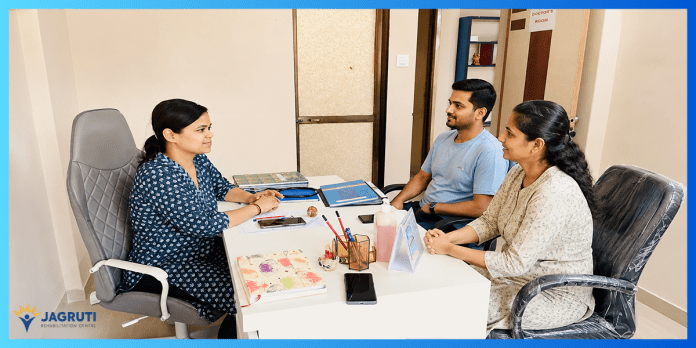
A reliable rehab centre in mumbai will start with a physical exam and a psychological evaluation side by side, looking closely at what substance is involved, how long the person has used it, and how deep the dependence actually runs.
This is also when clinicians look for what’s hiding underneath the substance use. Anxiety, depression, unresolved trauma, these show up constantly in people struggling with addiction, and if nobody catches them at this stage, treatment tends to stall later on. Once the picture is clearer, the team builds a treatment plan around that specific person rather than pulling out a generic template. Two people addicted to the same substance can need very different things from treatment. Getting professional help early, before things spiral further, tends to make the whole recovery process shorter and less painful.
What Does Drug Addiction Treatment Involve?
Treatment doesn’t happen in one block. It unfolds in stages, and the first of those, for substances that carry a real risk of physical dependence, is often medically supervised detox. This isn’t something to attempt at home. Withdrawal from alcohol, benzodiazepines, or opioids can turn dangerous fast without proper monitoring, so this step exists to get the body stable before any deeper work begins.
After that comes the part most people picture when they think of rehab: individual counselling, where a person starts unpacking what actually led them to substance use in the first place. Therapies like Cognitive Behavioural Therapy and Motivational Interviewing get used a lot here, mainly because they’re good at helping people spot their own triggers and build something to do instead of reaching for a substance. Group therapy adds a different kind of value. There’s something about hearing your own struggle described by someone else in the room that cuts through denial faster than a one-on-one session sometimes can.
Family counselling deserves its own mention too. Addiction rarely stays contained to one person; it seeps into marriages, into how parents and kids talk to each other, into basic trust. Bringing family into treatment, when appropriate, helps repair some of that damage while the person is still in active recovery. On top of this sits life skills training and relapse prevention work, covering things like sleep schedules, stress management, and recognising the early signs of a slip before it becomes a full relapse. All of it happens inside a structured rehabilitation programme, because holding these pieces together alone rarely works out.
A Patient’s Journey Towards Recovery
Rohan, a 36-year-old man working in finance started drinking most evenings to unwind after long hours. Within a year he’d added prescription sedatives to the mix, mostly to sleep. Nobody around him thought much of it at first. Over roughly two years though, things changed. He missed deadlines. His manager started noticing. His wife noticed too, long before he was willing to admit anything was wrong, and the arguments at home became more frequent and more bitter.
By the time Rohan agreed to get evaluated, he’d pulled away from most of his friends and was barely functioning at work. The assessment turned up something his family hadn’t expected: an anxiety disorder that had gone untreated for years, one he’d essentially been self-medicating without realising it. He entered a structured programme starting with supervised detox, then individual therapy aimed at that underlying anxiety rather than just the substance use on its own. Group sessions helped too, oddly more than he expected going in. Slowly, through family counselling sessions that were often uncomfortable, some of the trust between him and his wife started coming back.
His treatment took place at Jagruti Rehab Centre in Mumbai, where his plan got adjusted more than once as he progressed, with the intensity of support easing off gradually rather than stopping all at once. Almost a year after finishing the core programme, Rohan was back at work full time, attending a peer support group most weeks, and by his own account, closer to his wife than he’d been in a long while. It’s not a dramatic story. Most recovery stories aren’t. But it’s a fairly accurate one.
Long-Term Recovery Requires Ongoing Support
Finishing a treatment programme feels like the end, and in a sense it should feel that way, but it’s really just one phase closing. What happens in the months and years after matters just as much, maybe more. Follow-up care, whether that’s occasional check-ins or continued outpatient therapy, is often what catches a bad week before it turns into a full relapse.
Cravings don’t just vanish once treatment ends, and for many people they linger for a year or two, showing up at unpredictable moments. This is where the boring stuff, regular sleep, some form of exercise, a daily structure that doesn’t leave too much empty time, actually earns its keep. Peer groups and family involvement provide something treatment alone can’t, which is ordinary daily accountability. The relapse prevention plan built earlier in treatment stops being a document nobody looks at again; it becomes something people actually reach for when things get hard.
Recovery isn’t a straight line for most people, and setbacks happen even when someone’s doing everything right. What separates people who stay well long-term from those who don’t usually comes down to whether they stayed connected to some kind of support after the programme ended, instead of walking away the moment they felt stable.
Conclusion
Good addiction treatment was never just about stopping substance use. It’s a longer, layered process, one that starts with an honest assessment, moves through medical care and therapy that treats the whole person, and continues through rehabilitation and years of support afterward. None of these pieces work particularly well alone. Together, they give people a real shot at recovery that holds, not just for a few sober months, but for the years that follow.