

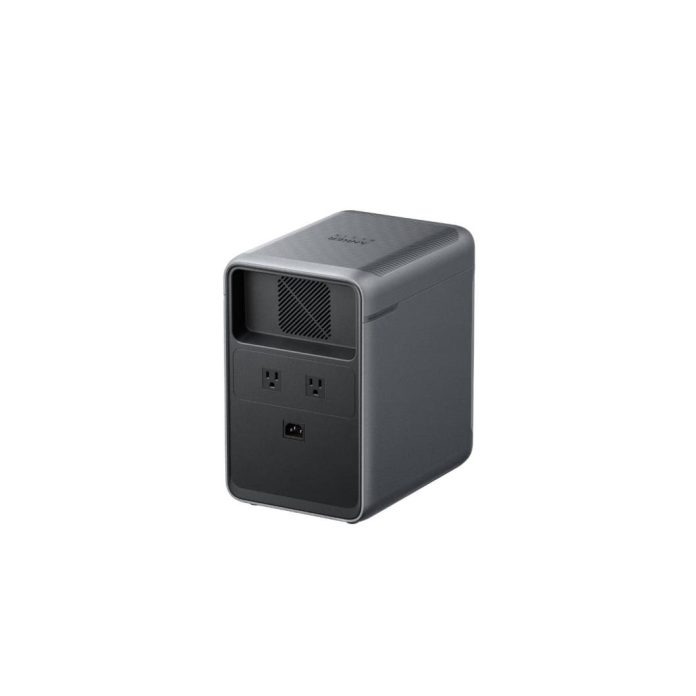
A 2000Wh power station can be enough for an outage if you use it for the right loads. It will usually keep essentials such as a fridge, router, phone chargers, lights, fans, and small electronics running through a short blackout or overnight interruption. It is not designed to power an entire home or run multiple high-wattage appliances for long periods. The real answer comes down to two things: how much power your devices draw and how long the outage lasts. If you understand both, a 2000Wh unit becomes much easier to judge as a practical backup option for emergency home power.
How Long Will a 2000Wh Power Station Last?
Calculate Runtime From Watts and Watt-Hours
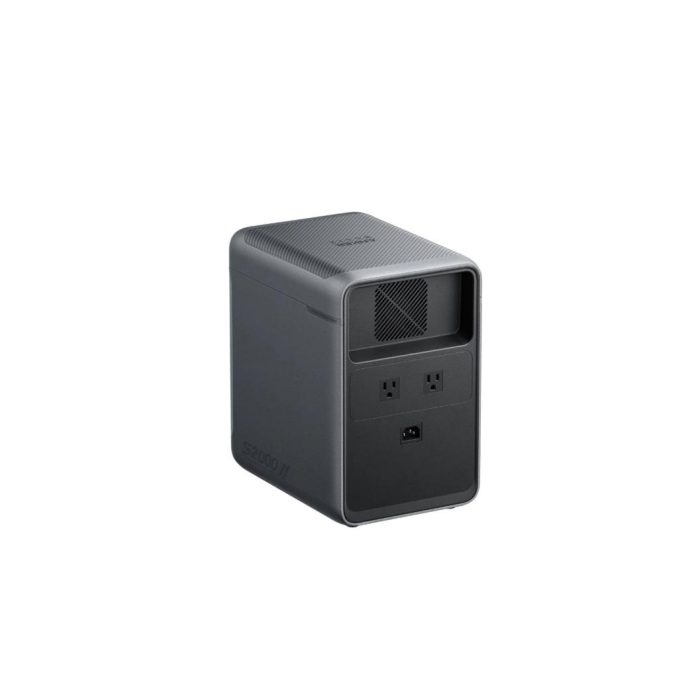
Runtime is calculated by dividing battery capacity in watt-hours by the total watt load of the devices you are powering. A 2000Wh power station running a steady 100W load can deliver about 20 hours before accounting for inverter losses and reserve margins. At 200W, expect roughly 10 hours. At 500W, around 4 hours is more realistic. Real use is rarely perfectly constant, so appliance cycling matters. A fridge, for example, does not run at full power every minute. The Anker SOLIX S2000 Portable Power Station has a 2,010Wh LFP battery and 1,500W rated AC output, with up to 2,600W SurgePad output and 3,000W peak AC output for harder starts and temporary surges.
Real-World Runtime for Common Home Essentials
In a home outage, a 2000Wh power station usually performs best when it supports a small group of essentials rather than everything at once. A Wi-Fi router may use 10 to 20W, LED lights 5 to 15W each, a fan 30 to 60W, and phone or laptop charging relatively little spread over time. A refrigerator is often the biggest essential load, but because it cycles on and off, total runtime can be much longer than its startup wattage suggests. In typical conditions, this class of battery can keep a fridge, router, lights, and personal devices going through many hours of outage, and some setups can stretch fridge backup to 30 hours or more.
When Is 2000Wh Enough for a Power Outage?
Short Outages vs. Overnight and Multi-Day Outages
A 2000Wh power station is usually enough for short outages and many overnight interruptions. If the goal is to keep food cold, maintain internet access, run a few lights, and charge phones, it can cover that job well. It becomes less suitable when outages extend into multiple days without a recharge plan. Running a microwave, space heater, electric kettle, hair dryer, or window AC will drain 2kWh quickly because these appliances draw high continuous power. Even when the inverter can handle startup surges, battery capacity is still the limiting factor. For outage backup, 2000Wh is best viewed as an essential-load solution, not a whole-home replacement during prolonged utility failures.
How Household Size and Power Habits Change the Answer
Household size changes the answer because more people usually means more devices, more lighting, and more frequent refrigerator door openings. Power habits matter just as much. A home that uses one room, limits charging, and keeps only key devices on can make 2000Wh feel surprisingly capable. A home that tries to preserve normal routines will empty the battery much faster. Features can also improve practical performance. The Anker SOLIX S2000 is positioned as the longest-lasting 2kWh portable power station, with low 6W idle power draw and high light-load efficiency through OptiSave adaptive power technology. That matters in outages because small, steady loads are common and wasted standby power adds up.
How to Get More Backup Time From 2000Wh
Prioritize Loads and Cut Unnecessary Power Use
The best way to extend backup time is to decide what truly needs power before the outage happens. If you are wondering what can a 2000wh power station run, start with essential devices such as a refrigerator, internet equipment, a few LED lights, phone chargers, and possibly a fan or medical device if needed. Turn off entertainment gear, extra lights, and kitchen appliances that add little value during an outage. Avoid resistive heating devices because they consume energy fast. Keep fridge and freezer doors closed as much as possible to reduce compressor run time. Charge phones and laptops efficiently instead of leaving them connected all day. If your power station has low idle consumption, use that advantage by shutting down unused output ports and running only the devices you actively need.
Recharge With AC or Solar During Longer Outages
Recharge planning turns a 2000Wh power station from short-term backup into a more flexible outage tool. If grid power returns briefly, fast AC charging helps you recover capacity quickly. The Anker SOLIX S2000 can recharge to 80% in 1.2 hours with ultra-fast AC charging and reach 100% in 1.7 hours, while standard AC charging reaches 100% in 2.2 hours. If sunlight is available, solar input up to 400W can extend runtime during daytime outages and reduce how deeply the battery is cycled. Combining AC and solar can refill even faster. For longer disruptions, a simple routine works best: use stored energy overnight, recharge whenever utility power or sun is available, and reserve battery power for the most important loads.
Conclusion
Yes, a 2000Wh power station is enough for an outage when your goal is to keep essential devices running, not to power the whole house. It can usually handle short blackouts, many overnight outages, and carefully managed emergency use for a fridge, router, lights, fans, and personal electronics. The key is matching battery capacity to realistic loads and avoiding high-draw appliances that empty storage quickly. A model with strong efficiency, low idle consumption, fast recharging, and solid surge handling can stretch that backup time further in real use. If you want practical outage protection without rewiring your home, 2000Wh is a useful and often sufficient size. For multi-day outages, pair it with disciplined load management and recharging options.