

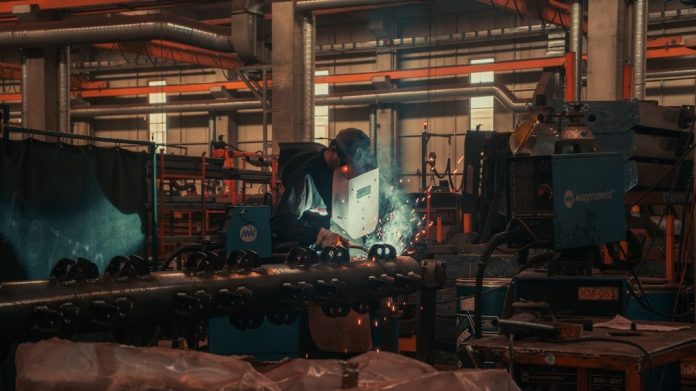
The hiring landscape has shifted. Not gradually, but in a way that has forced recruiters and employers to rethink long-standing assumptions about talent supply. For years, knowledge-based roles dominated hiring conversations. Today, however, trade-based jobs are quietly becoming some of the most difficult positions to fill.
This is not a temporary disruption. It reflects bigger structural changes in the workforce, education systems, and economic priorities. Understanding these forces is essential for any organization that relies on skilled labor.
A Shrinking Pipeline of Skilled Workers
One of the most immediate challenges is simple: there are fewer people entering the trades. For decades, cultural messaging emphasized four-year college degrees as the primary path to success. That message stuck.
As a result, fewer young workers pursued careers in fields like electrical work, plumbing, welding, or carpentry. The pipeline narrowed. Over time, it created a noticeable gap between demand and available talent.
At the same time, vocational programs in many regions received less funding and attention. This reduced access to training at a critical moment. The outcome is predictable—fewer qualified candidates entering the workforce each year.
An Aging Workforce Reaching Retirement
While fewer people are entering the trades, a large portion of the existing workforce is nearing retirement. This creates double pressure. Not only are there fewer new workers, but experienced professionals are also leaving at a steady pace.
These roles often require years of hands-on experience. When seasoned workers retire, they take institutional knowledge with them. Replacing that expertise is not quick or easy.
The result is a widening skills gap. Companies are not just hiring for open roles; they are trying to preserve critical capabilities that risk disappearing altogether.
Increased Demand Across Industries
Demand for skilled trades has grown significantly. Infrastructure projects, renewable energy initiatives, and construction booms have all contributed to this surge.
In many cases, demand is outpacing supply at an accelerating rate. Employers are competing not just within their industry but across sectors. A qualified electrician, for example, may have multiple offers from construction firms, manufacturing plants, and energy companies at the same time.
This level of competition raises the stakes. It also changes candidate expectations. Skilled workers now have more leverage, and they know it.
The Complexity of Skill Requirements
Trade-based roles are often misunderstood. They are not simply manual jobs; they require technical expertise, precision, and problem-solving abilities.
Modern trades involve advanced tools, digital systems, and evolving safety standards. This raises the bar for entry. Employers are not just looking for workers—they need highly trained professionals who can adapt quickly.
Because of this, the candidate pool is not only smaller but also more selective. Not every applicant meets the requirements. This adds another layer of difficulty for recruiters trying to fill roles efficiently.
Geographic Limitations and Mobility Challenges
Unlike many office-based jobs, trade roles are tied to physical locations. A construction project, a manufacturing facility, or a utility site cannot be moved.
This creates geographic constraints. Even when qualified workers exist, they may not be located where the jobs are. Relocation is not always feasible, especially for workers with established ties to their communities.
Recruiters must often expand their search radius. That increases costs and extends hiring timelines. In some cases, roles remain open longer simply because the right talent is not available locally.
Changing Worker Expectations
The expectations of workers have evolved. Compensation is still important, but it is no longer the only factor. Work-life balance, job stability, and career growth opportunities all play a role.
Trade professionals are also becoming more selective about the companies they work for. They are looking for employers who value their skills and provide safe, supportive environments.
This shift means that filling a role is not just about offering a job. It is about presenting a compelling opportunity. Employers who fail to adapt may struggle to attract and retain talent.
The Role of Specialized Staffing Partners
Given these challenges, many companies are turning to specialized staffing partners. These organizations understand the nuances of trade-based hiring and have access to networks that general recruiters may not.
Working with firms like Superior Skilled Trades allows employers to tap into a more targeted talent pool. These partnerships can reduce hiring time and improve candidate quality.
Specialized recruiters also bring industry insight. They understand certifications, compliance requirements, and the realities of on-site work. This expertise makes a measurable difference in the hiring process.
The Impact of Economic and Policy Factors
Economic conditions and public policy also influence the availability of skilled labor. Investments in infrastructure, changes in trade regulations, and shifts in energy policy all affect demand.
For instance, large-scale government projects can create sudden spikes in hiring needs. At the same time, policy changes may alter training pathways or funding for vocational education.
According to data discussed by the U.S. Bureau of Labor Statistics, employment in several trade occupations is projected to grow steadily over the coming years, further intensifying competition for qualified workers.
These external factors add complexity. Recruiters must stay informed and adapt quickly to changing conditions.
Bridging the Gap: What Employers Can Do
Addressing the shortage of skilled trade workers requires a proactive approach. There is no single solution, but several strategies can help.
First, investing in training and apprenticeship programs can rebuild the talent pipeline. This takes time, but it creates long-term stability.
Second, improving employer branding is critical. Companies that highlight safety, career growth, and competitive benefits are more likely to attract candidates.
Third, flexibility matters. Offering relocation support, competitive wages, and clear career paths can make a significant difference.
Finally, partnerships with specialized recruiters can streamline the process. These collaborations provide access to talent that might otherwise be difficult to reach.
A Long-Term Challenge, Not a Short-Term Problem
The difficulty of staffing trade-based jobs is not a passing trend. It reflects deeper changes in how work is valued, how skills are developed, and how industries evolve.
For recruiters, this means adapting strategies and expectations. For employers, it means investing in people and processes that support long-term success.
The demand for skilled trades will continue. The question is not whether these roles will be filled, but how organizations will rise to meet the challenge.