

Malaysia’s frequent travelers are a specific group — tech-fluent, internationally mobile, and accustomed to expecting more from their devices. Launched in Malaysia in April 2026, the OPPO Find X9s targets a demographic that demands more than just a capable camera from a travel phone: it needs to solve actual on-the-road friction. What the OPPO Find X9s brings to this segment is a set of AI tools and cross-device capabilities that address international travel friction in ways that most competing flagships have assembled less completely.
Multi-OS Sharing: The Cross-Platform Argument
Malaysian corporate travelers and group travelers frequently mix Android and Apple devices within the same group. Touch to Share on the OPPO Find X9s transfers files between OPPO and Apple devices — iPhones, iPads, MacBooks — locally via Bluetooth and Wi-Fi, without consuming mobile data or requiring cloud routing. Boarding passes, hotel reservations, maps, and large photo files move instantly without consuming mobile data.
Quick Share extends this further, enabling transfers between Android, iOS, iPadOS, and macOS devices without an internet connection. Moving large files across mixed-device ecosystems usually involves clunky cloud links or heavily compressed messaging apps. The built-in sharing tools bypass this usual Android-to-iOS friction, allowing for direct, offline transfers to Apple devices.
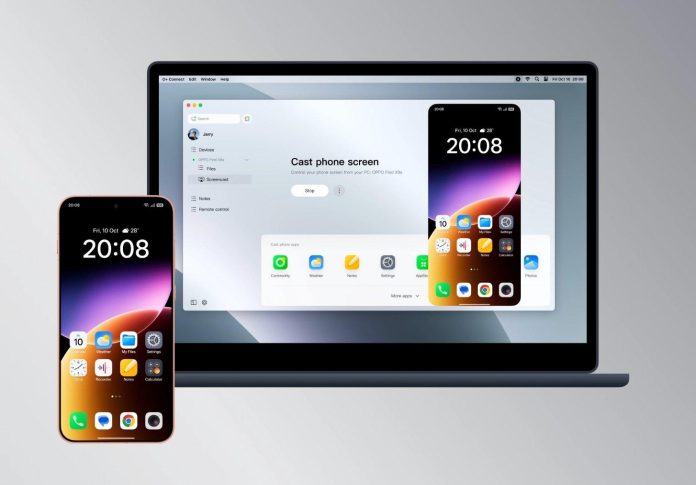
PC Connect, for users who carry MacBooks, mirrors the OPPO Find X9s screen directly to the laptop with control through the MacBook’s keyboard and trackpad. On a flight or in an airport lounge where pulling out the phone separately is inconvenient, working through the MacBook screen while the phone stays in a pocket simplifies the workflow.
Currency Intelligence in MYR
AI Bill Manager converts foreign currency totals to Malaysian Ringgit automatically. Photograph a receipt, forward a hotel confirmation, or record a voice note about an expense, and the system reads the total, converts to MYR, and organizes everything into a travel budget summary. For Malaysian travelers heading to Japan, Europe, the Middle East, or Australia, where currencies differ significantly, this builds a running MYR total without manual data entry.
Decoding a foreign menu often requires cross-referencing text translators with image searches. The AI Menu Translation feature collapses this process by overlaying dish images, ingredient lists, and MYR price conversions directly onto the live camera view. he visual component distinguishes this from text-only translation apps — knowing what a dish looks like and costs in MYR lets Malaysian travelers make confident decisions rather than pointing hopefully at menu items.
AI Mind Space for Trip Organization
Travel planning usually results in a chaotic mix of browser bookmarks, screenshots, and saved chat messages. By mapping the AI Mind Space to the physical Snap Key, travelers can instantly dump voice notes, street signs, and recommendations into a single, auto-tagged archive. Malaysian travelers who collect recommendations from social media, travel blogs, and friend referrals before and during trips will find this a more organized capture system than managing a notes app, browser bookmarks, and a WhatsApp saved-messages folder simultaneously.
Connectivity and AI LinkBoost
AI LinkBoost adapts signal management across environments — crowded international airports, dense tourist zones, and remote locations. Beyond manufacturer claims of faster sharing speeds, the practical benefit of AI LinkBoost is maintaining stable data connections in congested areas like bustling transit hubs or crowded tourist landmarks. For Malaysian travelers navigating the signal congestion of popular tourist destinations in Japan or Europe, the hardware investment in antenna performance is practically motivated.
Battery: The Travel Day Calculation
The 7025mAh silicon-carbon anode battery differentiates the Find X9s from the previous generation: the Find X8 Pro carried 5910mAh and the Find X8 brought 4880mAh. While official lab metrics like 36 hours of video playback rarely reflect the heavy toll of constant GPS navigation and network roaming, the sheer 7025mAh capacity provides a genuine buffer against mid-day charging anxiety.
When travel itineraries limit access to power outlets, the 80W charging speed turns a brief airport layover or a quick shower at the hotel into a legitimate window for a full recharge. Wireless charging is absent — a gap at this price tier given how widely wireless pads have been adopted in Malaysian premium hotels and airport lounges. The battery size compensates for this in practice, but the omission is worth noting.
The Camera System for Travel Photography
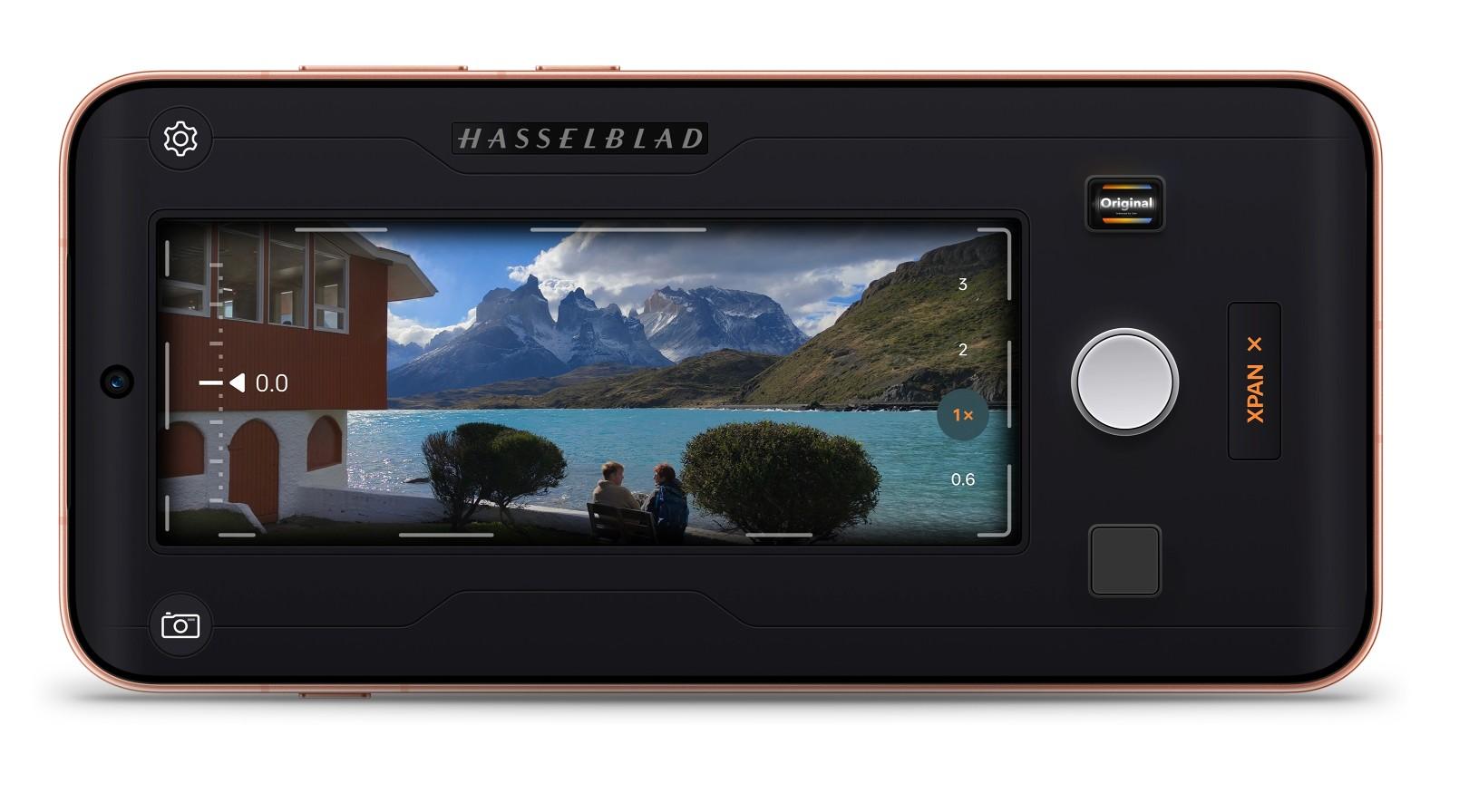
Three 50MP sensors cover travel photography, led by a 24mm f/1.8 main camera featuring a large 1/1.56-inch sensor, alongside a 73mm periscope and a 15mm ultra-wide lens — cover travel photography across distances and contexts, tuned through Hasselblad collaboration. The 120× super zoom extends further via AI processing, with on-device pixel reconstruction at the extreme range. For travel photographers, the reliable creative range sits at the optical end of the telephoto, with the extended zoom serving documentation and reference purposes effectively.
Where the OPPO Find X9s Positions in the Malaysian Market
At the premium price tier, the Find X9s differentiates through the travel AI stack — the combination of offline cross-platform sharing, MYR-aware expense tracking, AI organization, and adaptive signal handling assembled in one device. For Malaysian frequent international travelers, this is a coherent product proposition rather than a spec-list comparison.