

What Are Thermo Wells, and Why Do They Matter?
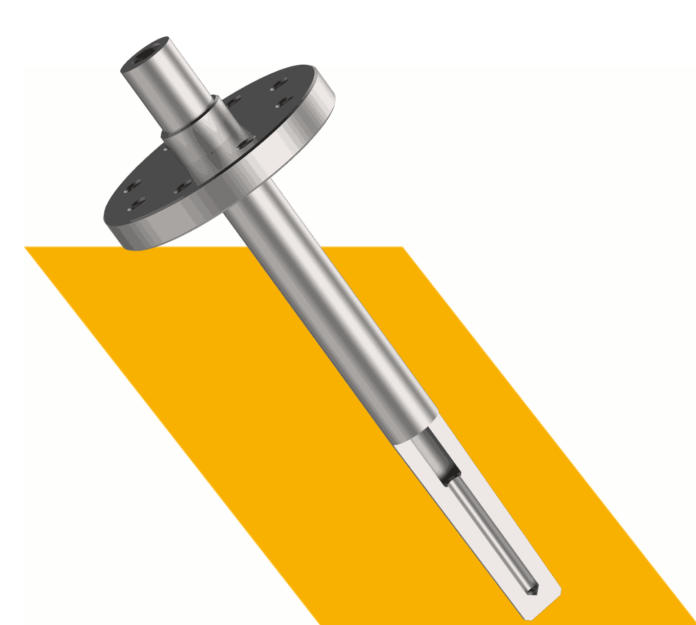
A thermowell is basically a protective sleeve for your temperature sensor, whether that’s a thermocouple or an RTD. It lets you measure process temperature without shoving the sensor directly into pressure, harsh chemicals, or fast-moving fluid. In a climate like Malaysia’s, getting this part right isn’t optional. It’s the difference between accurate readings and constant headaches: shorter sensor life, more maintenance, and equipment that fails when you least expect it.
This isn’t just a line item for procurement to check off. Whether you’re running a palm oil plant, a petrochemical facility, a food production facility, a pharma facility, a water treatment facility, or a power station, the thermo wells have to hold up against what Malaysia’s environment throws at them.
Why This Matters So Much in Malaysian Industries
A few things make Malaysia’s operating environment particularly rough on equipment:
- Humidity that barely lets up, all year round
- Heat that regularly climbs past 30°C
- Salty coastal air that eats into metal
- Aggressive chemicals in petrochemical settings
- Round-the-clock manufacturing that never really pauses
- Fast pipeline flow that generates vibration
Skip the right selection process, and here’s what tends to show up down the line: corrosion, sensor drift, vibration damage, early failures, downtime, and a replacement cycle that never seems to end. Most of these problems don’t start on the plant floor. They start on the spec sheet, long before installation.
What to Look at When Choosing Thermo Wells
1. Material Selection
This is the single biggest factor in how long your thermowell lasts.
| Environment | Recommended Material | Typical Applications |
|---|---|---|
| Indoor manufacturing | SS304 | General utilities |
| Humid process industries | SS316 / SS316L | Food, pharmaceutical |
| Coastal installations | Duplex Stainless Steel | Marine, offshore |
| Highly corrosive chemicals | Hastelloy | Chemical plants |
| High-temperature applications | Inconel | Power plants |
Even plants sitting several kilometres inland still see faster corrosion, because humidity and airborne chlorides travel further than you’d think. Picking the right alloy can double, sometimes triple, how long the unit actually lasts.
2. Process Temperature and Pressure
Before you spec anything, nail down these numbers:
- Operating temperature
- Maximum temperature
- Process pressure
- Flow velocity
- Type of fluid
- Pipe diameter
Every single one of these shapes the wall thickness, stem diameter, and overall design. Skip one, and the design ends up wrong somewhere else.
3. Wake Frequency Analysis
Vibration gets overlooked more often than it should.
When fluid moves past a thermowell, it creates alternating vortices behind it. Those vortices generate cyclic forces, and over time, that cyclic stress can lead to fatigue failure. Nobody wants to find that out the hard way, mid-shutdown.
For high-flow applications, it’s worth asking your supplier for:
- ASME PTC 19.3 TW calculations
- Wake frequency calculations
- Resonance analysis
This matters most in refineries, steam lines, LNG terminals, and petrochemical facilities, basically anywhere flow rates run high.
4. Getting Insertion Length Right
The sensing tip needs to reach far enough into the flow to actually measure the fluid, not the pipe wall.
Too short, and you’re stuck with slow response, poor accuracy, and heat bleeding in from the pipe itself.
Too long, and now you’ve got more vibration, added stress, and a slower response time anyway. There’s a sweet spot, and getting there takes a bit of calculation, not guesswork.
5. Connection Type
The common options are threaded, socket weld, flanged, weld-in, and Van Stone. Whatever you pick should line up with your existing piping standards and make maintenance simpler down the road, not harder.
What Malaysian Plants Should Actually Check For
Local Supplier Support
Nobody wants to wait weeks for a replacement thermowell while a line sits idle. Before you commit to a supplier, ask them straight up:
- Do you stock products in Malaysia?
- Can you provide mill test certificates?
- Is engineering support available locally?
- Are custom designs on the table?
Maintenance Availability
Standardising thermowell dimensions across your production lines makes spares management a lot less painful. You end up with lower inventory, faster shutdown maintenance, easier procurement, and less downtime overall.
Total Cost of Ownership
The cheapest quote almost never turns out to be the cheapest option once you factor in real operating costs. Weigh expected lifespan, corrosion resistance, how often it needs inspecting, downtime costs, and general maintenance demands, not just the number on the quote.
Questions Worth Asking Before You Order
- Which material actually suits my process fluid?
- Will it hold up against Malaysia’s humidity?
- Has ASME PTC 19.3 TW analysis been done?
- Is the insertion length dialled in correctly?
- Can replacements be supplied fast if something fails?
- Are material certificates included?
- What’s the realistic service life?
- Is local engineering support actually available?
Why Engineering Support Actually Matters
The best thermowell on the market isn’t always the priciest one. It’s the one built for your specific process media, temperature, pressure, flow velocity, corrosion conditions, and installation method. Manufacturers who know what they’re doing walk through all of this before they ever recommend a design.
For plants across Malaysia, suppliers like Tempsens build engineered thermo wells, thermocouples, RTDs, and broader temperature measurement solutions for demanding work across manufacturing, petrochemical, power, pharmaceutical, food processing, and other process industries.
Final Thoughts
Choosing the right thermowell for a Malaysian plant means balancing performance, durability, and long-term maintenance costs all at once. Between the tropical climate, coastal exposure, and demanding industrial processes, temperature measurement equipment here takes a real beating, which makes proper specification worth the extra time upfront.
Go with corrosion-resistant materials. Confirm pressure and temperature ratings. Follow the engineering standards that exist for a reason. Work with experienced manufacturers like Tempsens. Do that, and you’ll see better measurement accuracy, less maintenance, and equipment that actually lasts.
Don’t just chase the lowest initial cost. Think about how the thermowell performs across its whole service life. That’s what leads to safer operations, fewer failures, and a process you can actually rely on.
FAQs
What are thermo wells used for?
They protect temperature sensors from pressure, corrosive fluids, and physical damage and let you pull the sensor out without shutting down the process.
Which thermowell material works best in Malaysia?
SS316/316L handles most applications fine. For coastal sites or highly corrosive environments, you’ll want Duplex Stainless Steel, Hastelloy, or Inconel instead.
Why does ASME PTC 19.3 TW matter?
It’s the engineering guidance for vibration analysis on thermowells, and it helps prevent fatigue failures caused by high fluid velocity.
Why go with Tempsens for thermo wells in Malaysia?
Tempsens builds engineered thermo wells for demanding industrial settings, with real expertise in material selection, vibration analysis, and temperature measurement across Malaysian manufacturing and process industries.
Quick Takeaways
- Go with corrosion-resistant materials, Malaysia’s heat and coastal air don’t forgive cheap choices.
- Match the thermo wells to your process temperature, pressure, and whatever media is running through the pipe.
- Get the insertion length right, or you’ll pay for it in slow, inaccurate readings.
- If vibration is a concern, ask for ASME PTC 19.3 TW calculations.
- Work with suppliers who actually offer engineering support.