

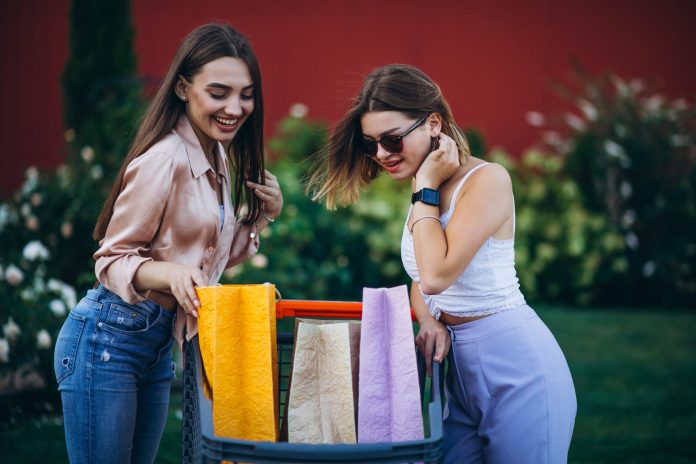
There was a time when shopping for clothes meant going to a physical store, looking through a few racks, trying things on and making a decision before heading home.
Now?
You can be lying on the sofa at 11 p.m., casually scrolling through hundreds of outfits while pretending you’re not shopping.
That’s a pretty big change.
Shein has become one of the names associated with this new style of fashion shopping, but the interesting part isn’t really the app or website itself. It’s the behaviour around it. People no longer shop only when they need something. They browse for inspiration, save items for later, compare styles and sometimes discover an entirely new look by accident.
And once you get used to that kind of convenience, traditional shopping can feel a little slow.
Fashion discovery has become entertainment
One of the biggest differences between online and traditional fashion shopping is that browsing doesn’t necessarily have a purpose anymore.
You don’t always need a shopping list.
You might open a fashion app because you’re bored. Then you see a jacket. That jacket leads you to trousers. The trousers lead you to shoes. Suddenly you’re imagining an outfit for a holiday that hasn’t even been planned yet.
It’s oddly easy.
The huge amount of visual content plays a major role. Instead of walking around a shop and seeing what is available, shoppers can search by colour, style, occasion or even a particular aesthetic.
Minimalist.
Streetwear.
Vintage-inspired.
Partywear.
Casual.
The categories almost never seem to end.
For people who enjoy experimenting with clothes, that’s genuinely fun.
Social media has changed the starting point
Fashion discovery used to begin with retailers, magazines or people you knew.
Now it can begin with a thirty-second video.
Someone posts an outfit online. It gets shared. Other people recreate it. Soon, similar styles start appearing everywhere.
The shopper doesn’t necessarily know the original brand. They simply know what they like.
That’s important because online fashion platforms are built for exactly this kind of behaviour. A person can see a style in the morning and start looking for similar pieces that same day.
There is very little distance between seeing a trend and shopping for it.
Fits into this shift because modern shoppers are often looking for a complete visual idea rather than one particular product. They want to know how a look comes together, what accessories work with it and whether they can create something similar without spending too much.
Why variety matters more than people realise
Price gets plenty of attention, but I think variety is just as important.
Imagine searching for a basic white shirt.
In a physical store, you might have ten options.
Online, you could find cropped shirts, oversized shirts, fitted shirts, linen-look shirts, button-downs, shirts with unusual collars and versions covered in tiny details you didn’t even know existed.
Some of them will be awful.
A few will be great.
And that’s okay.
The ability to compare such a wide range of options gives shoppers more control. You’re not simply choosing the best item from what happens to be available nearby.
You’re choosing from a much larger pool.
That changes expectations too.
People have started to expect retailers to offer more colours, more sizes, more styles and more frequent updates.
The rise of occasion-based shopping
Another thing online fashion does particularly well is occasion shopping.
Need something for a wedding?
There’s a category for that.
Going on holiday?
Plenty of options.
Last-minute birthday dinner?
You’ll probably find something.
Festival coming up?
You know where this is going.
This is especially attractive for shoppers who don’t want to spend a fortune on something they may only wear a handful of times.
Of course, there is a downside. When clothing becomes easy to buy for every individual event, wardrobes can become crowded very quickly.
That dress you bought for one dinner may end up sitting at the back of the cupboard.
Then another occasion arrives.
And another purchase happens.
It’s worth asking whether you actually need something new or whether a little styling creativity could make an older outfit work again.
Accessories have become a bigger deal
You don’t always need a completely new outfit to change your appearance.
Sometimes it’s the accessories.
A different handbag can make a simple dress feel more polished. Chunky jewellery can change a plain top. A belt can alter the shape of an oversized shirt. Even changing your shoes can make an outfit look completely different.
This is one area where online shopping can be particularly useful because there are so many inexpensive ways to experiment.
And unlike buying an entirely new wardrobe, adding a few accessories can give existing clothes a second life.
Personally, I think this is a smarter way to approach trend shopping.
Buy a few pieces that actually work with what you already own.
Not twenty things that looked exciting at midnight.
Reviews have become part of the decision
Shopping online comes with one obvious problem.
You can’t touch the fabric.
You can’t stand in front of a mirror.
And you certainly can’t tell whether something is comfortable just by staring at a photograph.
That’s why customer reviews have become such an important part of online fashion.
People want real information.
Does the colour look like the photograph?
Is the material thin?
Does the item run small?
Is it comfortable?
Does it look cheap in person?
These are the questions shoppers actually care about.
Customer-uploaded photographs can be even more useful because they give you a less polished view of the product.
Still, don’t rely on one review.
Look for patterns.
If several customers mention the same sizing problem, pay attention. If most people are happy with the fit, that’s useful too.
Cheap doesn’t always mean sensible
Low prices can make experimentation easier, but they can also make unnecessary shopping feel harmless.
That’s the tricky part.
When an item costs very little, it’s easy to think, “Why not?”
Then you add another item.
And another.
And another.
Eventually, you’ve spent considerably more than you intended.
The better approach is to think about cost per use.
If you buy a top for a small amount but wear it twenty times, it may be a worthwhile purchase. If you buy something because it looks interesting and never wear it, the low price doesn’t make it useful.
A bargain is only really a bargain when you actually use it.
Fashion and personal style aren’t the same thing
There’s a difference between enjoying trends and following every trend.
The internet can make it feel like you need to constantly update your appearance. One aesthetic becomes popular, then another takes over, and suddenly clothes you bought six months ago feel outdated.
They aren’t.
Your personal style doesn’t have an expiry date.
If you love something, wear it.
That’s probably the most practical piece of fashion advice anyone can give.
Trends are useful for inspiration, but they shouldn’t dictate your entire wardrobe.
A more thoughtful way to browse
There’s nothing wrong with enjoying online fashion. In fact, that’s probably one of the best things about it.
You can discover ideas you wouldn’t have encountered otherwise.
The trick is to separate browsing from buying.
Save something if you like it.
Come back later.
Check whether you already own something similar.
Think about where you’d actually wear it.
And if you still want it, go ahead.
That small pause can make a surprising difference.
Online fashion has made shopping faster, more visual and far more varied than it used to be. Shein is part of that larger shift, but the change goes beyond one retailer.
People are discovering clothes differently now.
They are styling differently.
They are buying differently.
And perhaps the best part is that fashion no longer has to be about following one fixed formula. You can experiment, make mistakes, change your mind and try something completely different next week.
Just don’t forget the clothes already sitting in your wardrobe.
They might have more potential than you think.