

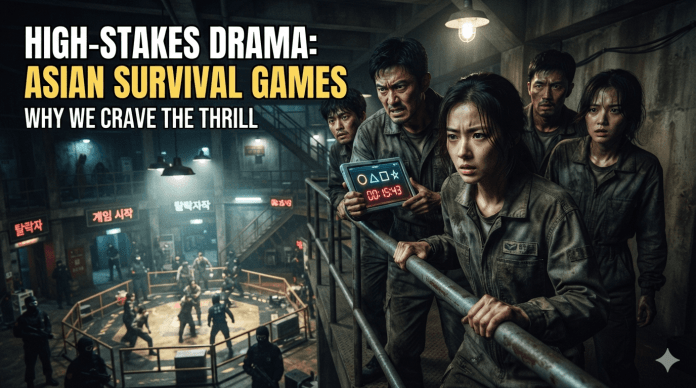
But what is it about this specific narrative trope that keeps viewers glued to their screens? The answer lies in the psychology of risk, the thrill of split-second decision-making, and the way modern digital culture has completely rewired our expectations for entertainment. As we spend more of our real lives interacting with screens, watching characters navigate deadly or high-stakes games feels incredibly relevant to our modern digital existence.
The psychology of the split-second decision
The core appeal of any gaming-centric drama is the tension of the immediate choice. In these narratives, protagonists rarely have the luxury of time. They are thrust into scenarios where they must analyze patterns, calculate risks, and execute a decision in a matter of seconds. This creates a powerful physiological response in the viewer—our heart rates elevate, and we experience a vicarious adrenaline rush simply by watching the countdown timer on the screen.
This desire for rapid-fire cognitive stimulation extends far beyond television. In our daily lives, many of us seek out that same “flow state” through fast-paced digital entertainment. Modern web developers have capitalized on this by creating browser-based arcade experiences that test our reflexes and timing. For instance, players looking to test their own strategic agility often turn to fast-paced interactive web platforms like the Megablock Casino game, where rapid decision-making and precise timing are required to succeed before the round ends. These types of “snackable” but intense digital challenges provide the exact same dopamine hit of quick risk-assessment that we enjoy watching our favorite drama protagonists endure.
Urban arenas: transforming the mundane into the thrilling
Another fascinating element of the Asian gaming drama is the setting. Writers and directors love to take mundane, everyday urban environments and transform them into arenas of high tension. Think of the iconic subway scene in Squid Game, where a simple game of ddakji turns a normal commuter transit hub into a psychological battlefield. Or consider how Alice in Borderland turned the normally bustling Shibuya crossing into a desolate, terrifying puzzle room.
This aesthetic—turning the daily urban commute into an arcade-style challenge—has deeply influenced real-world digital game design as well. Game developers frequently use cityscapes and transit themes to ground their fast-paced mechanics in a familiar setting. A perfect example of this cultural crossover is the Chicken Subway Casino browser game, which takes the familiar aesthetics of an urban transit system and turns it into a high-speed, reflex-testing arcade environment. By blending the mundane setting of a subway with high-tension interactive mechanics, these digital titles bridge the gap between the cinematic worlds we watch and the games we play on our own commutes.
The E-Sports influence: normalizing digital competition
While survival games focus on life-or-death stakes, Chinese and Korean media have also seen a massive surge in E-Sports dramas, such as Falling Into Your Smile, Love O2O, and The King’s Avatar. These shows focus on the professional, highly competitive world of digital gaming. They highlight the incredible dexterity, teamwork, and mental stamina required to compete at the highest levels of the digital arena.
These E-Sports dramas have fundamentally normalized gaming culture. They have shown mainstream audiences that digital games are not just idle pastimes, but complex ecosystems requiring strategy, practice, and intense focus. This cultural shift has made casual and competitive gaming far more acceptable across all demographics. Whether you are watching a team compete for a world championship on screen or trying to beat your own high score in a browser game during your lunch break, the underlying appeal is the same: the human desire to master a system and achieve victory.
Escapism in the modern digital age
Ultimately, the popularity of gaming and survival tropes in Asian dramas boils down to escapism. Modern life is filled with slow, ambiguous stresses—career pressures, economic uncertainties, and complex social dynamics. In contrast, the games depicted in these dramas (and the ones we play on our phones) have crystal clear rules. There is a definitive win or loss state. The simplicity of these rules, combined with the high intensity of the execution, offers a deeply satisfying break from the ambiguity of the real world.
Conclusion
As long as our culture remains intertwined with digital technology, the gaming trope in Asian dramas will continue to thrive. Writers and directors will keep finding new ways to turn screens, puzzles, and reflexes into compelling television. And as viewers, we will continue to watch, fascinated by the strategic minds of the characters—before pulling out our own devices to see if our reflexes are just as sharp. The line between the games we watch and the games we play is blurring, creating a golden age for interactive and cinematic entertainment.