

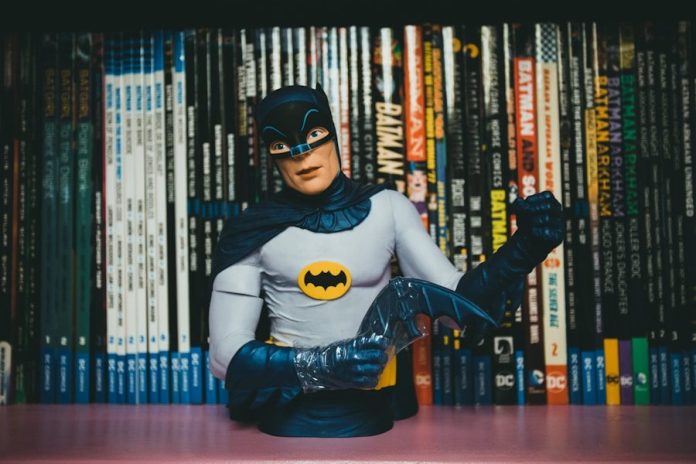
I have been designing and producing small-batch collectible figurines for about five years. Resin and vinyl, mostly, in the designer toy and art figure space — quirky character designs, limited runs of fifty to three hundred pieces, sold through my own site and a handful of indie boutiques. It is the kind of business that most people are surprised exists at all, and that the people who do know it exists tend to know it exists because they have spent serious money on it.
The single hardest part of running this business has never been the manufacturing. It has been the gap between the idea in my head and the prototype on my desk, and the cost of crossing that gap with nothing more than a sketch and hope.
A custom figurine sculpt costs anywhere from five hundred to five thousand dollars depending on size, complexity, and how good the sculptor is. The first version is almost never the final version. By the time a design is ready to mold and cast, I have usually spent two to four thousand dollars on sculpt revisions for a piece that may or may not actually sell when it launches.
The math of this business is brutal. The visualization step, where it has historically existed at all, has been the difference between a profitable release and a loss-making one.
Why Visualizing a Collectible Before Production Matters
The collectibles market is small, opinionated, and extremely visual. Buyers in this space are paying premium prices for objects that exist almost entirely as aesthetic experiences. The figure has to look right from every angle, in the buyer’s mental display case, before they will commit to a pre-order at one hundred and twenty dollars apiece.
For me as the designer, the problem is that I cannot really evaluate a figure until I can see it. Not from a sketch, not from a 2D rendering, not from a description. A sculpted figure has form, weight, presence. Until you can see it in three-dimensional space, in lighting, in scale, it is hard to know whether the design works.
For buyers, the problem is even worse. They are being asked to commit money to a figure that does not yet exist, based on whatever marketing material I can produce. Bad marketing material means bad pre-orders. Bad pre-orders mean the production run never funds. The whole release dies before the sculpt is even finished.
The traditional solution to this was either to produce a physical prototype before launching pre-orders — which means spending the sculpt money upfront before knowing whether anyone wanted the figure — or to launch with concept sketches and hope the buyers could imagine it. Both approaches lost releases that should have succeeded.
The Old Options for Pre-Production Visualization
Before AI image tools became viable, the visualization options were limited.
3D rendering software like ZBrush or Blender was the professional option, and it works beautifully if you happen to be a skilled 3D artist. The figure can be modeled in software, rendered with realistic lighting, and presented as if it were a finished product. The problem is that 3D modeling at this quality level is a craft that takes years to develop, and outsourcing it to a freelance 3D artist costs almost as much as commissioning a real sculpt. For designers who are not themselves 3D modelers, this option has always been gated.
Concept illustrations from 2D artists were the middle option. A skilled illustrator could render the figure in a way that suggested its three-dimensional form, with shading and lighting and multiple angles. This worked for some collectible projects, but the gap between a 2D illustration and the customer’s mental image of a real figure was wide enough that pre-orders often underperformed.
Photographing existing figures from other lines and using them as visual references was the workaround a lot of small designers used. You would point to an established figure of similar style and scale and say “imagine my design but in that quality and that finish.” The customer’s imagination did the rest, with predictable variability in the result.
None of these options gave designers what they actually needed, which was a way to show buyers a credible image of the figure-as-it-will-be without committing the production budget to find out. That gap is where Nano Banana eventually landed for me.
Where Nano Banana Entered the Workflow
The first time I tried Nano Banana for a figurine mockup, I was working on a character design I had been carrying around for almost a year. A small, slightly melancholy creature with oversized ears and a long coat, intended to be a six-inch resin figure. I had sketches. I had a clear sense of the character. I did not have a sculptor lined up yet, because I was not sure the design would sell.
I uploaded my sketches and described the figure I had in mind. Small resin collectible, six inches tall, soft matte paint finish, posed on a small wooden base, photographed in the soft lighting of an artist’s studio against a neutral gray background. What Nano Banana returned was a photograph of a figure that did not yet exist.
It looked like a finished, photographed collectible. Not perfect — the seam lines a real cast figure would have were missing, the proportions were slightly different than my sketches in ways I would need to correct, the base was not exactly what I had imagined. But it was close enough that I could see the figure as a real object. So could the small group of collector friends I sent it to, who all asked when they could pre-order.
That moment changed how I think about the early stage of a collectible release.
How the Workflow Goes From Mockup to Production Now
The process I have settled into starts with the same character design work I have always done — concept sketches, references, written character notes. That part has not changed. What has changed is the next stage.
Once I have a character design I think is worth producing, I run it through Nano Banana to generate what the final figure might look like, from multiple angles, in multiple paint schemes, on multiple base designs. I generate maybe twenty variations. Most are wrong in small ways. A few capture what I am after.
The strongest Nano Banana mockups become the visual reference I send to the sculptor when I commission the actual sculpt. Sculptors I have worked with for years tell me this kind of reference is dramatically easier to interpret than my old sketches. They can see exactly what proportions, what surface treatment, what overall presence I am after. The first sculpt revision usually lands within a single pass instead of three or four, which saves me hundreds of dollars per release.
The mockups also become the marketing material for the pre-order campaign. I am clear with buyers that the figure is in development and that the final product will differ in small ways from the mockups, but the Nano Banana renders give them something concrete to evaluate rather than asking them to imagine.
Paint Scheme Variations Without Painting Anything
The other major use case is paint scheme exploration.
A figure released in three or four paint variants — the standard release, a colorway exclusive to my site, a limited variant for the collector who pays the higher tier — multiplies the revenue from a single sculpt without requiring additional sculpting. The challenge has always been deciding what the variants should look like.
In the old workflow, deciding the paint variants meant either painting a sample piece in each color scheme — expensive in time and materials — or working from flat illustrations that did not really show how the paint would read on a three-dimensional figure. Both options were imperfect, and both were what Nano Banana eventually replaced for me.
Now I can take a base mockup of the figure and use Nano Banana to generate paint scheme variations in minutes. Pastel palette. Dark fantasy palette. Translucent ghost variant. Pearl finish with metallic accents. Each variation rendered as a credible photograph of the painted figure, ready to put on the pre-order page so buyers can see exactly what they are choosing between.
The variants that get strong pre-order interest become the variants we actually produce. The variants that get no interest get quietly dropped. The marketing learns from the buyers without me having to commit production money to figure it out.
The 1/7 Scale Effect
There is a specific Nano Banana prompt that swept through the designer toy community last year, where collectors take a piece of 2D character art they love and ask for a “1/7 scale commercialized figure” rendered as a photograph of the figure sitting on a desk. The results look uncannily like real figurine product photography, the kind you see on Japanese figure manufacturer sites.
For me as a working designer, this trend was more than a meme. It demonstrated that the visual gap between “character illustration” and “credible photographed collectible” had collapsed. If a fan can generate a believable figurine image of their favorite character in two minutes, the bar for what counts as a strong pre-order mockup has shifted significantly. The marketing material a small designer can produce now matches what mid-sized manufacturers were producing a few years ago through proper 3D rendering pipelines.
That is the part that quietly matters. The same tool that lets fans imagine figures of characters that will never exist also lets designers like me show buyers what figures we are actually planning to produce, in a visual register that buyers in this market already trust.
What Nano Banana Cannot Do for a Real Figurine
The limits matter. Pretending this is a one-click production pipeline would set people up for hard lessons.
The actual sculpt is still done by a human sculptor. The mockup is not a 3D file. It cannot be printed, molded, or cast directly. It is a reference for the person who will actually produce the master sculpt. Until 3D-aware image tools mature significantly, this gap remains.
Material accuracy is approximate. A mockup can suggest what resin or vinyl might look like, but the specific behavior of the actual material — how light passes through translucent resin, how matte paint reads against gloss accents, how the seam lines fall — is something you only know once you have a real piece in hand.
Manufacturing constraints are not enforced. A mockup might show a thin extended limb that would not survive shipping, or an undercut geometry that cannot be cleanly demolded, or a base that is too small to keep the figure stable. The mockup will happily render all of these, and only a skilled sculptor will catch and correct them before the design goes to production.
Why This Matters for Small Independent Designers
The collectibles market has historically been dominated by either large companies with significant capital — the kind that can afford speculative sculpts that may not sell — or by very experienced solo designers who had built up enough reputation to fund their releases through pre-orders even with rough marketing.
The middle ground, where I have always operated, was the hardest place to survive. Not enough capital to risk sculpts on every idea. Not enough reputation to fund every pre-order through fan loyalty alone. The releases that landed had to land. The releases that did not land were existential threats.
Nano Banana has not eliminated the risk of producing collectibles, and it has not replaced the work of the human sculptors who actually make the figures. But it has narrowed the gap between idea and credible visualization, and that narrower gap means fewer dead releases, more pre-orders that fund, and more designs that make it through the production gauntlet to actually exist on someone’s shelf.
For the small designers in this market — and there are more of us than people realize — that shift is the difference between continuing to make collectibles and quietly stopping. I have not stopped. Most of the other small designers I know have not stopped. The market is going to look more interesting over the next few years for exactly this reason.