

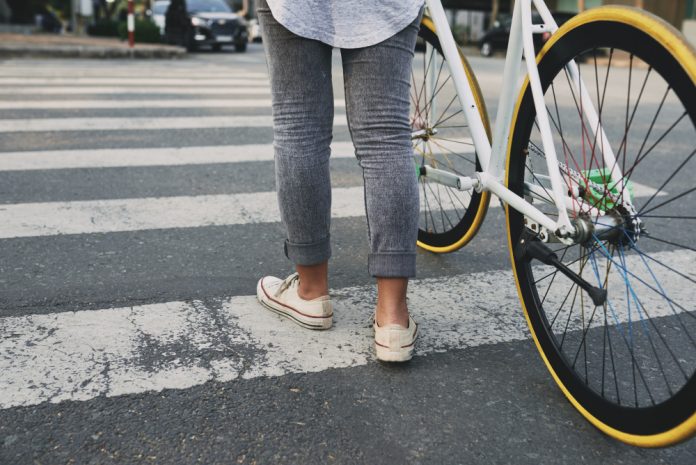
Image: Freepik
Whether you love to spend time walking through the city or you commute on foot everyday, it is easy to understand the importance of pedestrian safety regulations, especially as the number of vehicles on the roads increase. While the number of accidents reported annually is decreasing, the risk for pedestrians is still high.
Knowing what to do if you’re ever involved in a pedestrian accident can make a huge difference for your recovery, your safety, and even your finances. In this guide, we’ll cover steps to protect your rights after an accident.
Immediate Steps Pedestrians Should Take
Accidents often happen when least expected. If you’re struck or involved in a collision as a pedestrian, these first steps are crucial:
- Move to Safety: If possible, get to a safe place away from moving traffic. Your first priority should be preventing further injury.
- Call Emergency Services: Even if injuries seem minor, it’s essential to let professionals assess the situation. Dial 911 right away for help or ask someone to do it for you. You may feel okay at first, but don’t underestimate the influence of adrenaline: you may be more shaken up than you realize.
- Document the Scene: Use your phone to snap photos of your injuries, any vehicle involved, skid marks, traffic signals, and the wider scene. If anyone witnessed the accident, get their names and contact info. If you are not well enough, ask someone to take care of these important steps for you.
- Gather Driver Details: Collect information such as the driver’s name, plate number, insurance details, and contact information. Don’t rely on memory alone.
- Avoid Making Statements: Be factual if asked for information, but avoid admitting fault or downplaying injuries until you have all the facts. Sometimes, injuries don’t show up immediately. It works better to seek medical attention, even if you feel fine, as shock and adrenaline can mask serious conditions.
Seeking Medical Attention and Tracking Recovery
After an accident, it’s normal to want to brush things off, especially if you’re in shock or worried about disrupting your day. But medical checks are critical. Some injuries, like concussions or soft-tissue damage, may not appear for hours or days. It’s also important to pay attention to your mental health, an accident can trigger anxiety, sleeplessness, fear of driving or walking the same route, or even trauma that lingers for weeks or months.
Follow up with your doctor, keep records of all visits, and track symptoms as they arise. Creating a paper trail helps if medical issues develop later and supports insurance or liability claims. Save every bill, note, and prescription in one folder, even if you hope you’ll never need them.
Understanding Your Rights and Legal Protections
Sorting out insurance and liability after a street accident is complicated, especially when the fault isn’t clear or when multiple parties are involved. Pedestrian rights can vary by state, but generally, you are legally protected, whether crossing at designated walkways or even if the area isn’t clearly marked. Still, expect insurance companies to dig into every detail.
In cases of severe injuries, consulting a legal professional can help you understand what compensation you might be entitled to and how to handle conversations with insurers. Specialists in the field, such as the team at DM Injury law, can help you better understand your rights after a pedestrian accident and fight your corner, especially when you face medical bills, missed work, or confusing legal forms.
Broader Safety Concerns: Staying Aware in Today’s Streets
Sadly, pedestrian accidents are rising in many cities, with distracted driving a major culprit. There are over 7,000 pedestrian deaths reported annually in the U.S., and the majority happen in busy, urban environments. Phones, busy schedules, and unclear crosswalks all add risk, not to mention the increased presence of delivery vehicles and ride-shares.
To stay safer on foot, there are some best practices you can follow, including:
- Use crosswalks and signalized intersections whenever possible
- Make eye contact with drivers before stepping out
- Avoid wearing headphones or looking at your phone in traffic
- Wear visible clothing, even during the day
- Walk facing traffic when sidewalks are unavailable
- Stay alert for cars turning at driveways or parking lots
- Teach children to pause and look both ways, even in areas with pedestrian signals
Informed, Prepared, and Protected
No one expects to be involved in a pedestrian accident, yet having a plan can ease recovery and protect your well-being. Remember to document the scene, get medical care, and understand your rights after a street accident so you can confidently manage what comes next. A bit of preparation today may offer better peace of mind if you ever need it tomorrow.